Ever dreamt of seeing your name in print (or glowing on a website)? Well, guess what? Getting quoted in the press isn't just for celebrities and CEOs. It's a powerful tool for small business owners, freelancers, experts, and writers of all stripes. But why exactly is that quote next to your name such a big deal? Let's dive in!
1. Credibility Like a Boss:
Let's face it, in today's information overload, trust is hard-earned. A quote in a reputable publication acts like a digital stamp of approval. It tells potential clients, readers, or customers that you're not just another voice in the crowd – you're an expert worth listening to. Boom! Instant credibility points.
2. Networking Ninja Status:
Getting quoted in the press catches the eye of other publications, bloggers, and even potential collaborators. It's like a virtual neon sign flashing "Hey, I'm interesting and have something valuable to say!" This can lead to exciting new partnerships, guest blogging opportunities, and a wider reach for your work.
3. SEO Superpower (Activate!):
Ever heard of SEO (Search Engine Optimization)? It's the magic that makes your website appear higher in search results. Here's the cool part: getting quoted in the press often involves a link back to your website. This tells search engines that you're a reliable source, potentially boosting your online visibility and attracting new leads.
4. Bragging Rights (But the Cool Kind):
Let's be honest, a little self-promotion never hurt anyone (well, as long as it's done tastefully). Seeing your name in print (or online) is a fantastic way to showcase your expertise to your network and potential clients. It's a subtle way of saying, "Hey, I know my stuff!" without sounding boastful.
Did you know Fresh Starts offers three community levels? From Monday morning accountability to 6 sessions a week of coworking, hot seat coaching and…like, so much more. Check them out!


You got featured somewhere. Maybe it's a quote in an article, a full profile, a podcast mention, a TV segment. Amazing. Now what?
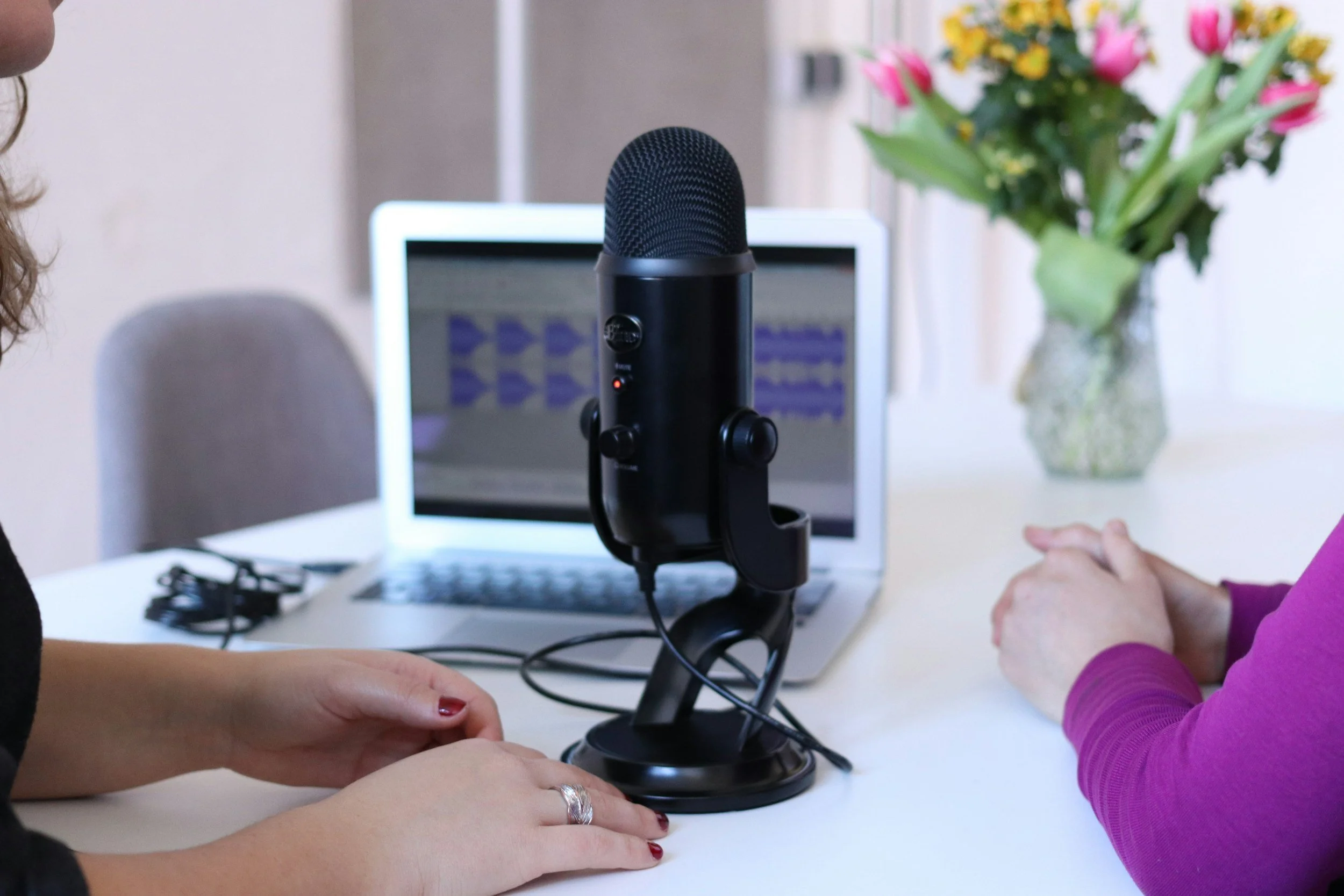
This is the final post in our Podcast Pitching Series — and we saved the best for last.
Because here's what most experts don't realize: a single podcast appearance isn't just an episode. It's a month's worth of content waiting to be unlocked.
You did the work. You had the conversation. You said brilliant things. Now let's make sure every single person in your world gets to hear them — not just the people who happened to find that episode.

Your clients are dealing with a lot, and much of it is out of their control. The way you communicate, schedule, and follow through is something you can control. Small adjustments here make a real difference to how supported people feel, and to whether they mention your name later.

You got the booking. Congratulations.
Now the real work begins — because showing up prepared is what separates the guests hosts remember from the guests they never invite back.
This week we're walking you through exactly how to prepare for a podcast interview so you show up confident, clear, and compelling every single time.

You wrote a great pitch. You found the right show. You sent it. Now what?
This is where most people either give up too soon or follow up in a way that gets them quietly ignored. This week we're covering the part of the process that happens after you hit send — and how to handle it in a way that gets responses without making anyone cringe.




Divorce doesn't stay at home. When an employee is going through one, it shows up at work: in missed days, in distraction, in questions about benefits, schedules, and money that they may not know who to ask. Most companies know this. Few have anything in place to help.

Over the past five posts, we've defined the three modes of a practice, worked out what each one looks like for you, looked at the signals that it's time to shift, walked through how to make each shift, and covered what to do when a shift happens without warning. This final post puts it all on a calendar.

Hibernate mode is for rest. But rest doesn't always mean doing nothing, and for many of us, a little light puttering is part of what makes a break feel restful. A quiet hour with a cup of tea and a messy folder can be oddly satisfying.

Knowing which mode your practice is in is half the work. The other half is knowing what to actually do once you're there.







Nothing opens a pitch quite like a number that stops someone cold. The Data Pitch leads with a surprising, counterintuitive, or little-known statistic — and uses it to position you as the expert who not only knows the numbers but knows what they mean and what to do about them.

Podcast hosts wake up every morning thinking about the same thing their audience is thinking about.
What's happening right now.
That's why one of the fastest ways to get a "yes" to a pitch is to tie your expertise directly to something timely — a news story, a cultural moment, a trending conversation, a new study, a law that just changed, a season of the year.

This week we're talking about the pitch angle that makes podcast hosts sit up straight.
The Hot Take.
A hot take is a clear, confident, slightly (or very) contrarian opinion about something in your field. It's the thing you believe that most of your colleagues won't say out loud. It's the conventional wisdom you disagree with. It's the advice everyone gives that you think is actually wrong.

We're talking about a third angle that is quietly one of the most powerful — especially if you're not yet comfortable putting your own story front and center. The Transformation Pitch.
Instead of leading with who you are or what you've been through, you lead with what you've helped someone else achieve. You let the result do the talking.

Here's the truth: podcast hosts get dozens of pitches from experts every week. Most of them sound exactly the same — impressive credentials, polished bios, bullet-pointed expertise. What cuts through all of that noise isn't another list of qualifications. It's a story they can't stop thinking about.
Your lived experience — the thing you went through, the moment everything changed, the reason you do this work — is not just a nice add-on to your pitch. For the right podcast, it IS the pitch.

Someone recently asked us how to structure an email when introducing two people to each other, and we thought it might be useful for everyone — it comes up more than you'd think, whether you're connecting a client with another expert in the community, looping in a colleague, or making a referral.

One of the most powerful things you can do right now to grow your visibility, build your authority, and reach people who genuinely need your expertise is to get yourself on podcasts as a guest expert.
And the good news? You don't need a publicist to make it happen. You just need a great pitch.

You are so empathetic — you believe your quiet is supporting them, but for those in the moment of divorce silence can feel scary. Here’s what to do.