
Growth and Healing During Divorce: Learning From the Past Without Living There
by Jill Kaufman founder of Divorce Coach Jill
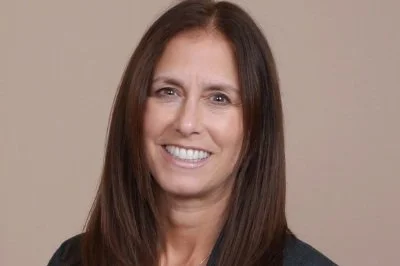
It’s easy to focus on the negatives of divorce - the overwhelm, stress, loneliness - I could name a lot of them. But there are positives and most people don't recognize the positive things that can come from divorce. The one that is rarely talked about is the growth and healing that you can experience as you go through divorce. Divorce offers a rare opportunity to reflect, heal, and understand yourself in a way that everyday life rarely allows.
True healing comes from learning not just about what didn’t work in the marriage, but about how you showed up, what patterns you repeated, and what you want to do differently moving forward. This is where accountability becomes powerful - not as a punishment, but as a tool for learning, growth and healing.
Moving Beyond Guilt and Blame
Many people get stuck in one of two emotional loops during divorce. Either they blame their former partner for everything that went wrong, or they turn all the blame inward and carry an overwhelming sense of guilt. Neither path leads to healing.Blame keeps you stuck in anger.
Guilt keeps you stuck in shame. Accountability is different. It asks you to look honestly at your role without condemning yourself. One of the healthiest ways to begin this shift is through reflection without judgment. Focus on your actions, not your character. Instead of asking, “What’s wrong with me?” or “Why did I fail?”, try reflecting on specific moments or patterns.
Journaling can be helpful here. Write about particular conflicts and ask yourself:
How did I respond when things got difficult?
What did I avoid saying or doing?
Where did I shut down, react emotionally, or overextend myself?
The goal isn’t to label yourself as “good” or “bad.” It’s simply to observe what happened. When you remove judgment from reflection, insight and growth becomes possible.
Letting Go of Toxic Guilt
Guilt often disguises itself as responsibility, but the two are not the same. Healthy responsibility leads to change. Toxic guilt only leads to suffering.
When guilt shows up, pause and ask yourself: Is this helping me grow, or is it just making me feel worse? If it isn’t pointing you toward something you can change or learn from, it’s likely not serving you.
Another important question is whether you’re holding yourself to a harsher standard than you hold others. Many people are far more compassionate toward their friends and family members than they are toward themselves. Treat yourself as you would a good friend and show kindness. We all deserve that. Healing requires empathy, not self-punishment.
Understanding the Inner Critic
Most people have an inner critic, a voice inside their head that tells them what they did wrong. It’s a harsh, judgmental voice that replays mistakes, exaggerates failures, and insists you should have known better.
The inner critic often holds you to unrealistic expectations, expecting perfection, emotional maturity at all times, or wisdom you didn’t yet have. Once you recognize this voice, you can begin to separate excessive self-condemnation from healthy accountability. Accountability says, “I can learn from this.”The inner critic says, “This proves I failed.”
Accountability as a Path to Freedom
Accountability is key to changing past patterns. For example, if you didn’t stand up for yourself during your marriage, and you let things go on that you weren’t ok with, that’s something you can take accountability for. Recognize that you didn’t set healthy boundaries and don’t blame your ex for that. It’s our responsibility not only to set boundaries but to know what to do when someone doesn’t respect our boundaries. We can learn how to set healthy boundaries by working on it in all of our relationships. We can read books, journal and go to therapy to work on our issues.
When you take responsibility for your part without shame, you can make your future better than your past. You can reclaim your power. You can stop being defined by the marriage that ended and start shaping the life that comes next.
This blogpost was originally posted here!
Learn more about and how to work with Jill Kaufman here!
Please note that the blogpost above does not represent the thoughts or opinions of Fresh Start Registry and solely represents the original author’s perspective.