
A Gray Rainbow Divorce: Coming Out and Divorcing Midlife
Almost everyone knows about “gray divorce,” the kind of divorce that typically happens to people in their 50s and older after decades marriage. But I want to add a new category: the “gray rainbow divorce.”
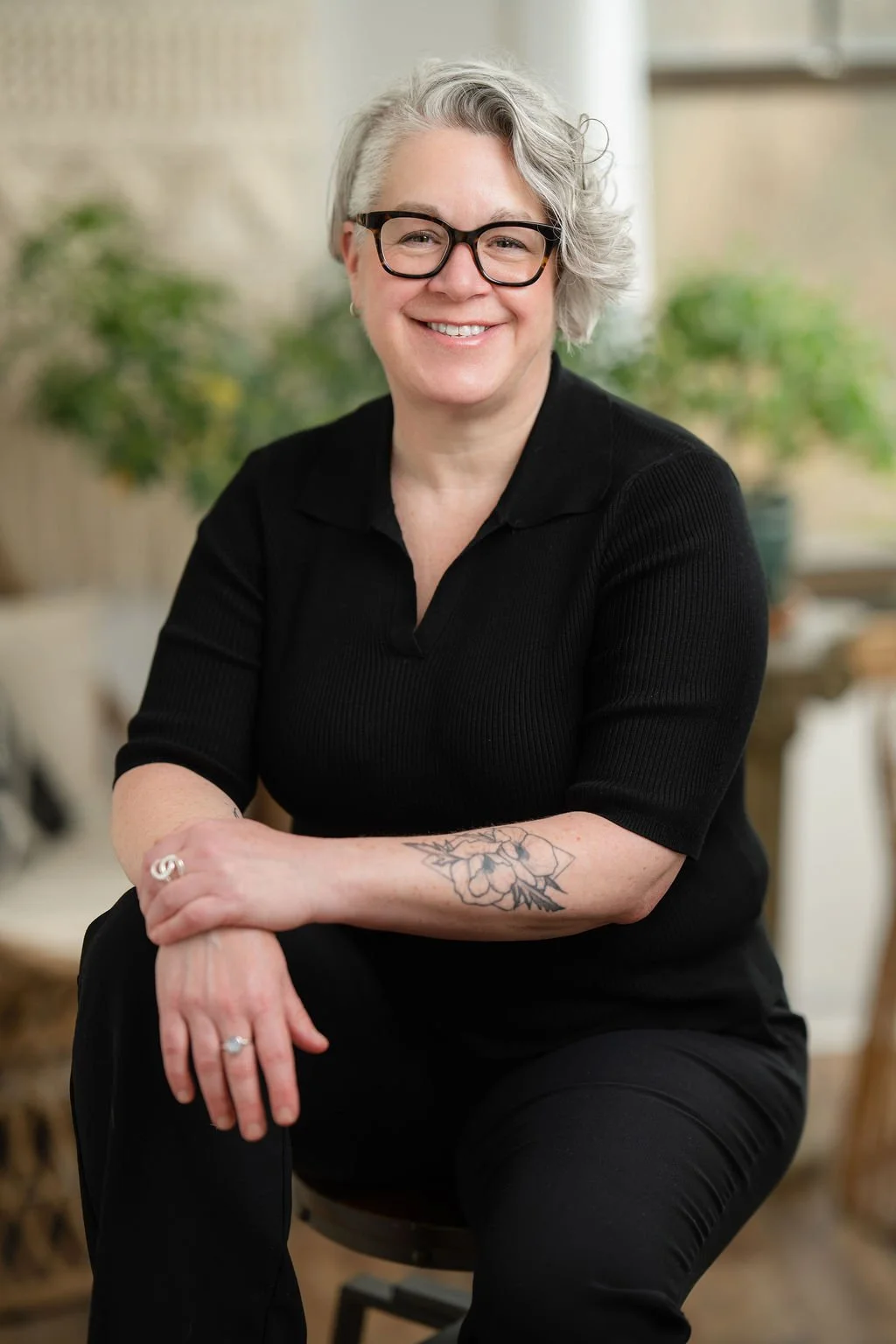
Photo courtesy of Drew Lederman
At the age of 49, after twenty-nine years together (married 21 of those years), I told my then husband that I could no longer stay married to him. That I would be unable to continue to honor the vows we had taken because I was more queer than I had ever realized. Bisexual, lesbian…I’m not a fan of bright line labels, but it was clear that staying married to a man—even a man as wonderful as he is—was not honoring who I truly am. The truth is, I was no longer fully emotionally or physically present in my marriage in ways that were not fair to him, or me, and I knew there was no turning back.
There is a deep grief that comes with that kind of realization. We had been together since our college years and our daughter was now halfway through high school. Divorcing would mean no longer sharing a lot of great moments and memories under one roof. Plans and expectations we laid the groundwork for in our 20s, 30s, and 40s would have to shift as we separated. The very strong tether to my past and all of the things we shared together would be severed; even if not completely, it was certainly going to be compromised once our marriage ended.
And yet there is also relief and joy that happens. That moment was more than three years ago, and I have never felt more comfortable in my own skin than I do now as an openly queer woman. I’ve found my people, so to speak, and there are parts of me more alive than ever before. Yes, it took time to get to this feeling, and a bit of explaining and courage (not everyone knew I’d considered myself queer since a young age), but it has all been worth it in the end. Partly because I know I’m modeling for my daughter that choosing oneself and listening to our own evolving needs and desires is a lifelong process, not one that should have to end when we say “I do.” Partly because I am now living authentically and fully and allowing my former spouse to do the same in a new way without me—that would not have happened if I never said anything and stayed married.
I’m not alone here either. I’ve met so many women and men who’ve gone through a similar experience, or were married to someone who did. There are more of us than you’d think, and a lot of us are talking about it more, which is a good thing.
Divorce is not an easy process a lot of the time, even if it is amicable and the commonsense path, and adding the layer of “coming out” to the mix only amplifies some of those hard moments. But there are things that can make it easier. This is why I became a certified divorce coach after working as a family law attorney and mediator: I see where people need nuanced support in these kinds of divorces, and I know how to help.
Here are a few suggestions to keep in mind if you find yourself in the same place I was in:
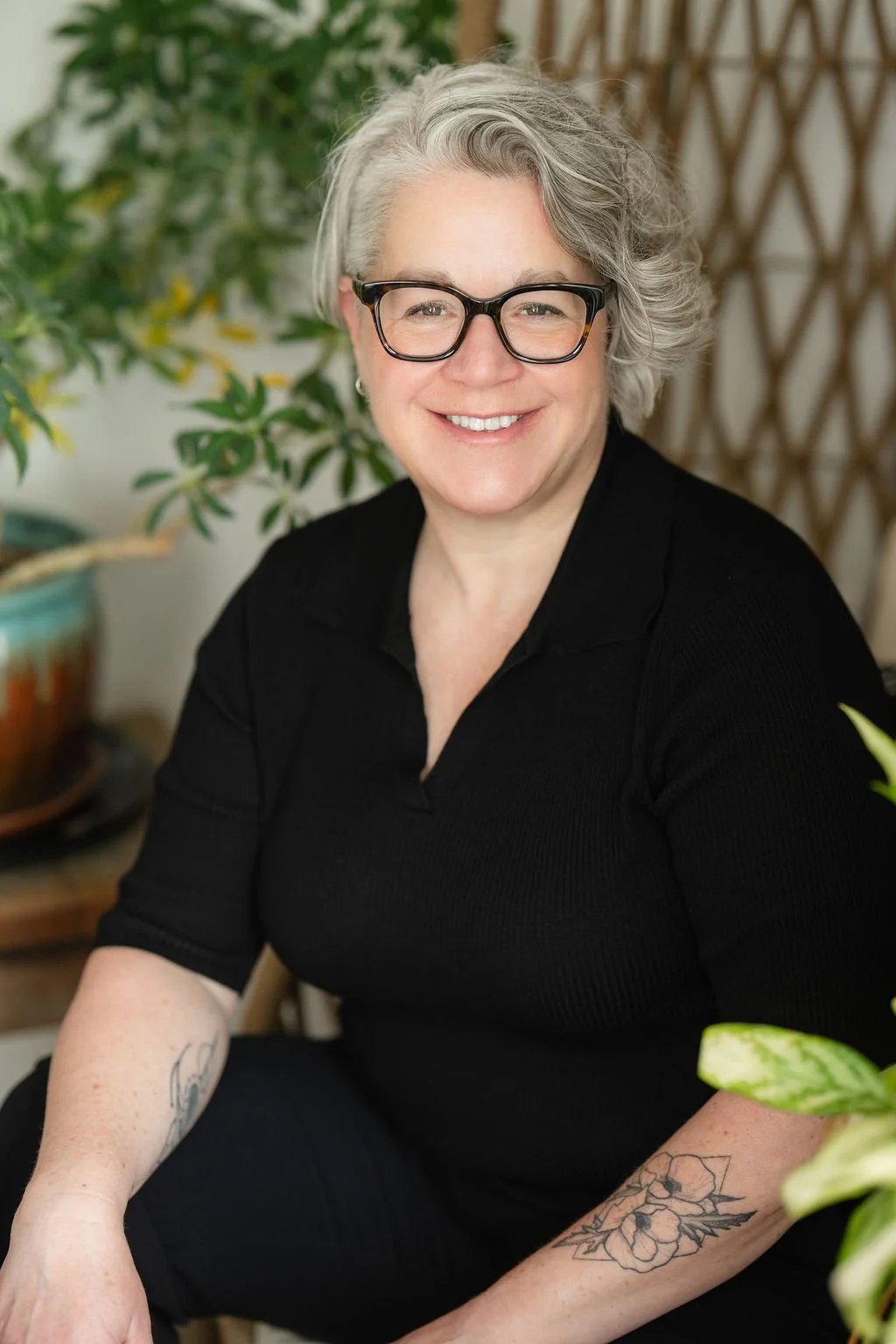
Photo courtesy of Drew Lederman
Hire an attorney, mediator, divorce coach, and/or other divorce professionals who are visibly LGBTQ-friendly. Having a support team that makes you feel comfortable showing up as your true self is important while going through the inherently vulnerable life change of divorce. The repeated “coming out” on your path to where you are now can get tedious when you are working with anyone who doesn’t get it or accept you for who you are. You want professionals who won’t flinch and can hit the ground running.
Instead of reacting out of guilt, shame, or grief, focus on your future as you move through the decisions of divorce. Build a reliable network of friends, family, and professionals who will help you think through and make sustainable, reality-tested choices aligned with your core values and goals for the future. Know what your legal rights and obligations are before agreeing to anything. All too often guilty feelings can lead to an impulse to walk away from or decline what is legitimately yours to share in (assets, parenting time, etc.). This is where working with a divorce coach can be an especially valuable asset.
Lead with compassion, patience, and curiosity for yourself and others, including your children and spouse. Not everyone will understand why your marriage no longer fits, especially if it looked like a good marriage from the outside. Talk about it in ways that foster empathy and respect on both sides. It may take time for some people to adapt to this news, which can feel like a long time if you’ve already been sitting with it silently yourself for a while. You may find that some people never come around and accept this version of you, and that’s ok—you will have others who do.
Accept that it might be challenging to navigate coming out and discussing this part of your life while also going through a divorce…but it gets easier with time. People will likely be supportive, but some might be nosy or judgmental. And in certain circles it may foster gossip. So remember: you don’t have to tell everyone everything.
Build a queer community near you and online. Find like-minded groups via social media, Meetup, and nonprofit organizations. Even books are your friend—read memoirs by others who’ve been in the same spot. Buy the rainbow swag and listen to the queer music icons. The point is to feel less alone and make room for the joy of this discovery! I can say from personal experience that the LGBTQ+ community is overwhelmingly supportive, happy, and welcoming, and there is room for more no matter how old you might be or how long it took you to get here.
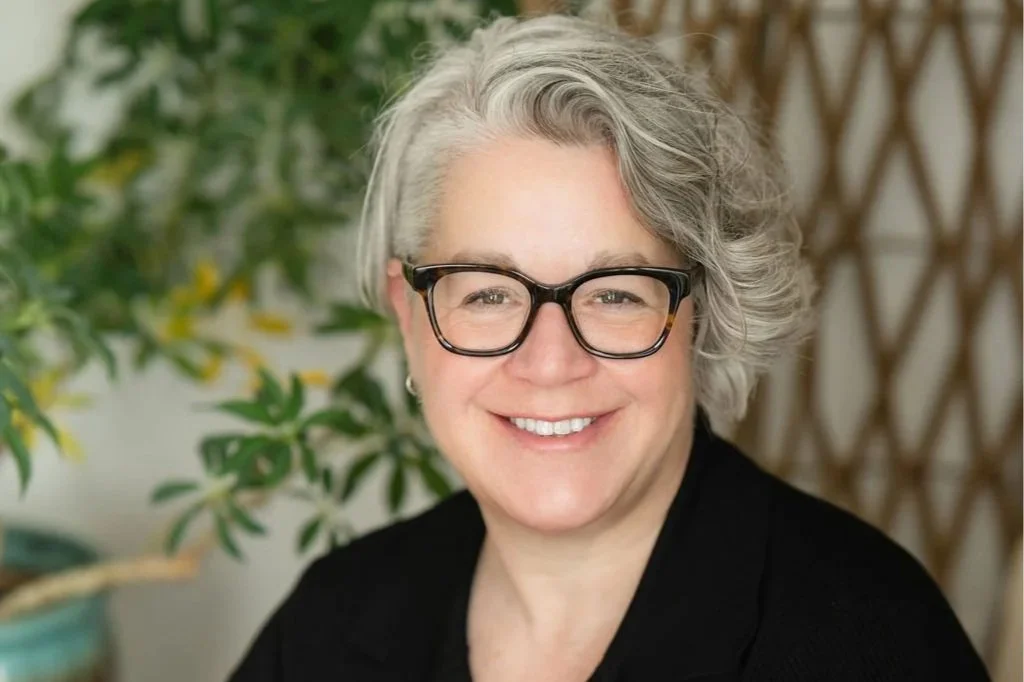
Kristen M. Ploetz is Founder/Owner of KMP Coaching LLC (kmpcoachingllc.com), and a CDC certified divorce coach, former family law attorney and mediator. She provides divorce coaching services to women contemplating or going through divorce after a long-term marriage. Her specialty focus areas include helping women in midlife who are coming out as LGBTQ+ while married to men, pre-mediation strategy planning, and supporting women who may need to adjust their professional and caretaking roles as a result of divorce. Services include 1:1 virtual coaching sessions to help center clients so they can make good decisions for their financial and emotional well-being both short- and long-term. Kristen assists with organization, confident decision making, communication strategies, and post-divorce logistical planning which align with the client's values and goals. She offers a free 30-minute consultation via her website. Kristen is based in Massachusetts but works virtually throughout the U.S.
Please note that the blogpost above does not represent the thoughts or opinions of Fresh Start Registry and solely represents the original author’s perspective.

More from this issue
scroll for more →