
Expert Feature Meredith Beardmore, Therapist
At Fresh Starts, we’re proud to spotlight the incredible professionals who guide people through one of life’s most challenging transitions: divorce. Today, we’re featuring Meredith Beardmore, a Therapist, whose work helps clients find clarity, strength, and a true fresh start.
Meredith, can you tell us a little about yourself, what you do and what led you to this line of work?
First and foremost, I’m a mother to a neurodivergent boy and a 100% solo parent. I’m also a licensed therapist, author, and the creator of the YouTube channel Mend with Mere, where I explore healing, relationships, and emotional insight through a therapeutic lens. My work focuses on helping people navigate major life transitions such as divorce, anxiety, and depression, with a particular focus on the often overlooked loved ones of addicts.
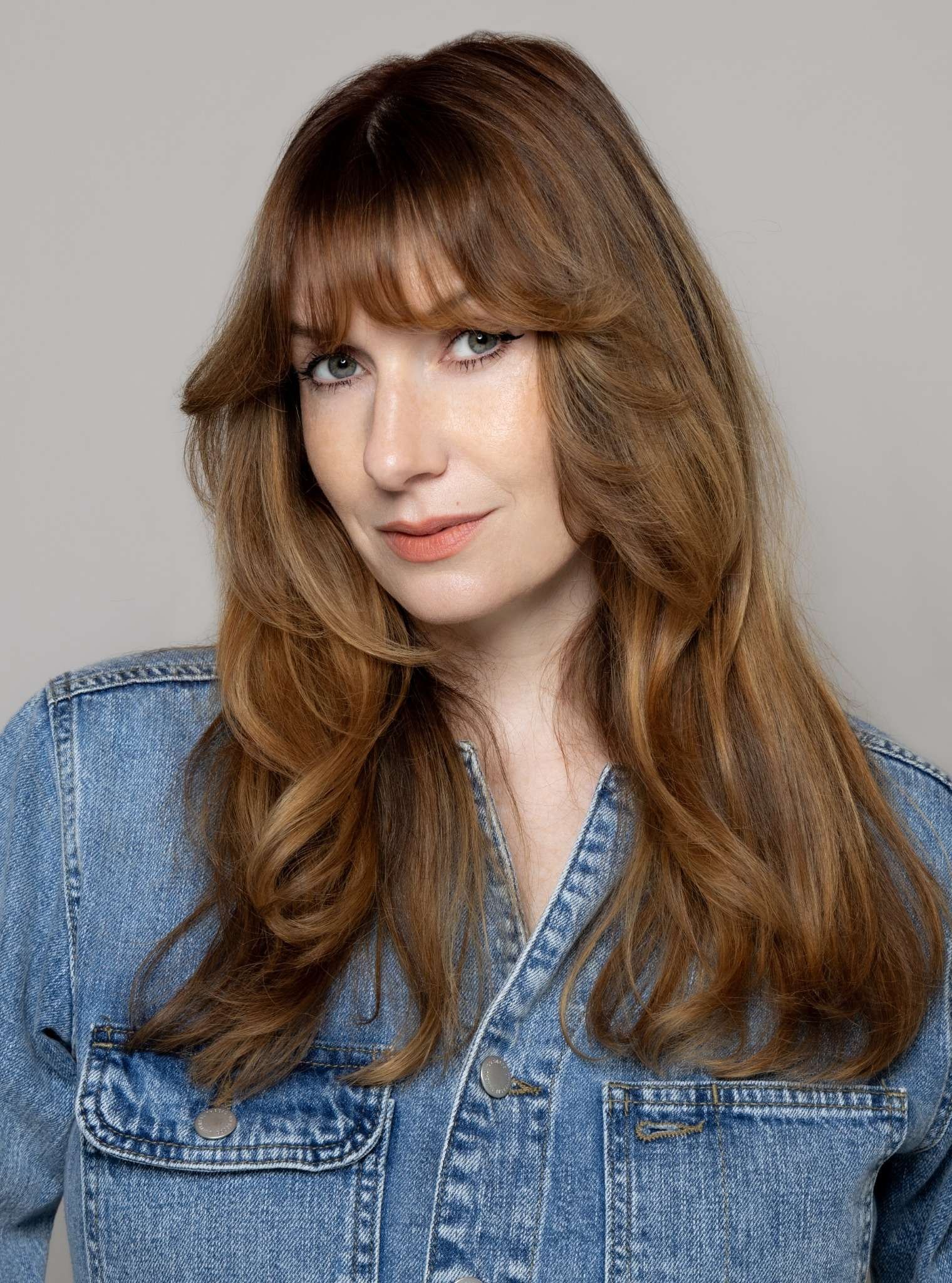
In both my clinical work and my writing, I try to bring language to experiences people often struggle to articulate. When someone finally understands the dynamics they’ve been living inside of, clarity begins to replace confusion and people can start rebuilding their lives with greater agency and self-trust.
What inspired you to work with people going through divorce or big life transitions?
The inspiration for this work is both professional and deeply personal. Addiction eviscerated my marriage and the life I thought I was building. What followed was one of the most disorienting and isolating seasons of my life. I suddenly found myself navigating divorce while becoming a 100% solo parent to my neurodivergent son.
What I realized during that time was how little language or support existed for the loved ones of addicts. Most conversations focus on the person struggling with addiction, while the partners and families quietly absorb the collateral damage.
That experience fundamentally changed the direction of my work. I became determined to help women understand what they’ve been living inside of, rebuild their clarity, and reclaim their agency after years of feeling small in the shadow of addiction. No one should have to navigate that kind of devastation alone.
What is your specialty within the divorce space, and how do you typically support your clients?
I specialize in supporting people navigating relationships affected by addiction. Divorce when addiction is involved often follows very different emotional patterns than a typical divorce; therefore, much of my work focuses on helping loved ones understand the dynamics that develop when addiction begins organizing the emotional system of a relationship.
In addition to therapy, I create educational resources that help people gain clarity about these dynamics. This includes my book Hey Addiction, Thanks for Nothing: A Brutally Honest Guide to Loving an Addict Without Losing Your Mind, my seminar Divorcing an Addict: What to Know Before, During, and After, and my Divorcing an Addict: A Clarity and Preparation Toolkit.
These resources are designed to help people make decisions from a place of clarity rather than chaos.
What makes your approach to working with clients unique?
My approach blends lived experience with clinical training. I primarily work from an ACT and person-centered framework, grounded in unconditional positive regard and meeting people exactly where they are. Many clients come in feeling confused, doubting their own perception, and emotionally worn down from living inside addiction dynamics. My role is often to help illuminate what has been happening so they can finally see their situation clearly again.
Once that clarity returns, something powerful shifts. People begin making decisions from a place of agency rather than survival. Helping clients reconnect with their own perception and inner authority is one of the most transformative parts of this work.
What’s one thing that people are often surprised to learn about you?
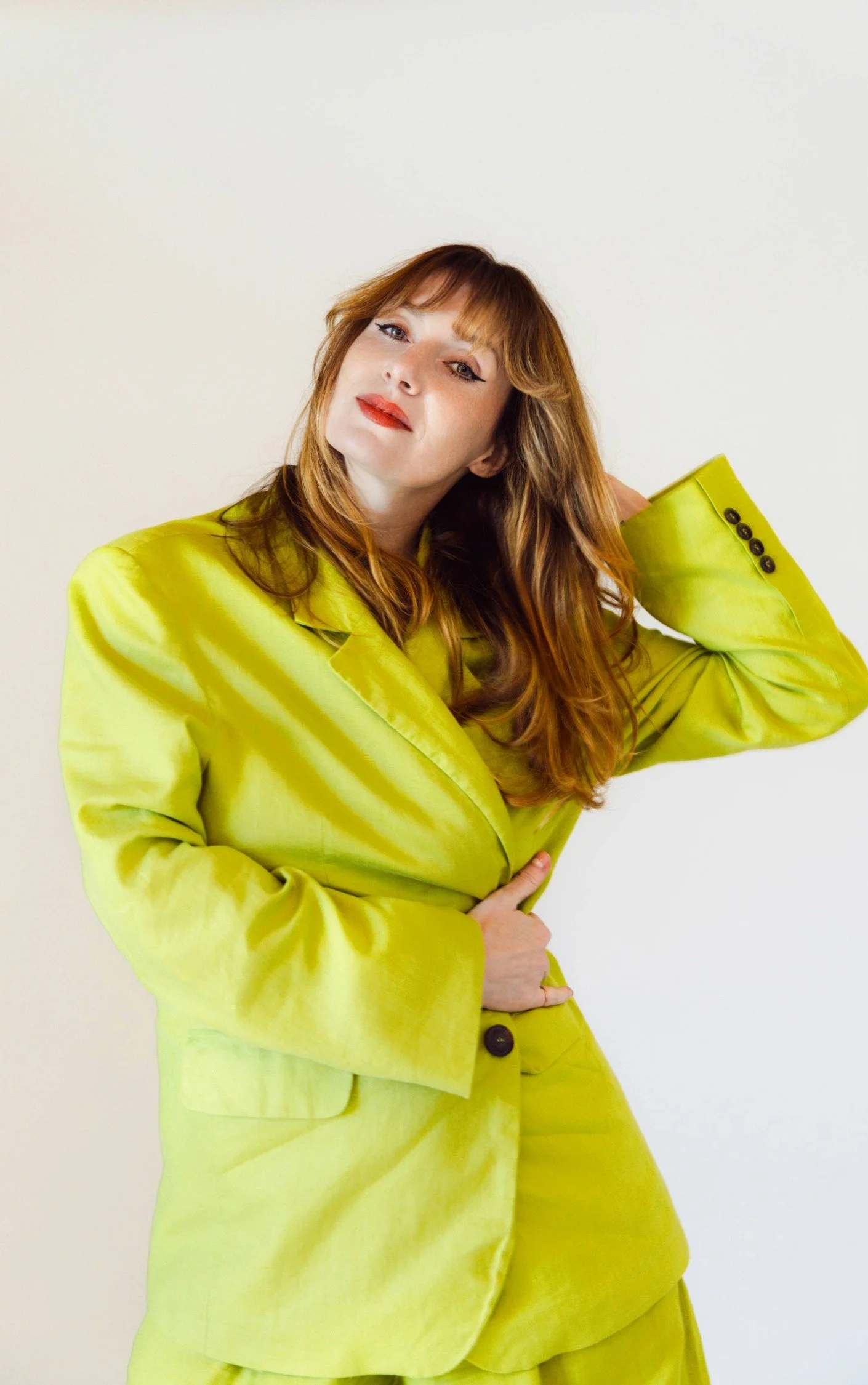
One thing that surprises people is the origin of the title of my memoir, The Plan B Chronicles: Divorce. Defiance. Liberation. The title comes from a real moment during my marriage when I found a receipt for emergency contraception, Plan B, even though I don’t have fallopian tubes and couldn’t become pregnant. That discovery became one of the moments that forced me to confront the reality of what was happening in my relationship.
The story was later featured in People Magazine, and it ultimately became the foundation for the book. It’s strange how life works. One of the hardest moments of my life ended up in bold print for everyone to see, but it also represents something important to me. I was able to take that pain and transform it into something that belonged to me. The title no longer feels like a wound. It feels like something I reclaimed.
Do you have a personal story or experience that helps you connect with clients on a deeper level?
Yes. I lived it, and I’m transparent about that so clients know they are not speaking to someone who is out of touch with the realities of these dynamics. My marriage ended after addiction reshaped the relationship, and I suddenly found myself navigating divorce while becoming a 100% solo parent to my neurodivergent son. That experience deeply informs both my clinical work and my memoir, The Plan B Chronicles: Divorce. Defiance. Liberation. Because of that lived experience, I understand how confusing and destabilizing these dynamics can feel. I know what it’s like to question your perception, your decisions, and even your sense of self. That perspective allows me to sit with clients not just as a therapist, but as someone who understands how hard it is to rebuild a life after everything you thought was stable falls apart.
What’s your favorite way to reset after a long day?
A long, hot bath with loads of Epsom salts and high-frequency music playing in the background. Water has always been my safe place. It resets my nervous system and helps me transition out of holding space for others all day. I highly recommend 432 Hz frequency sounds. It’s one of the ways I decompress, come back to myself, and restore a sense of calm.
If you could describe your work in three words, what would they be?
Compassion. Clarity. Agency.
What does “fresh start” mean to you personally?
A fresh start isn’t pretending the past didn’t happen. It’s understanding it clearly enough that it no longer controls your future. It’s the moment you give yourself permission to start over. When people reclaim their perception, voice, and agency, they stop living in survival mode and begin building a life that actually belongs to them.
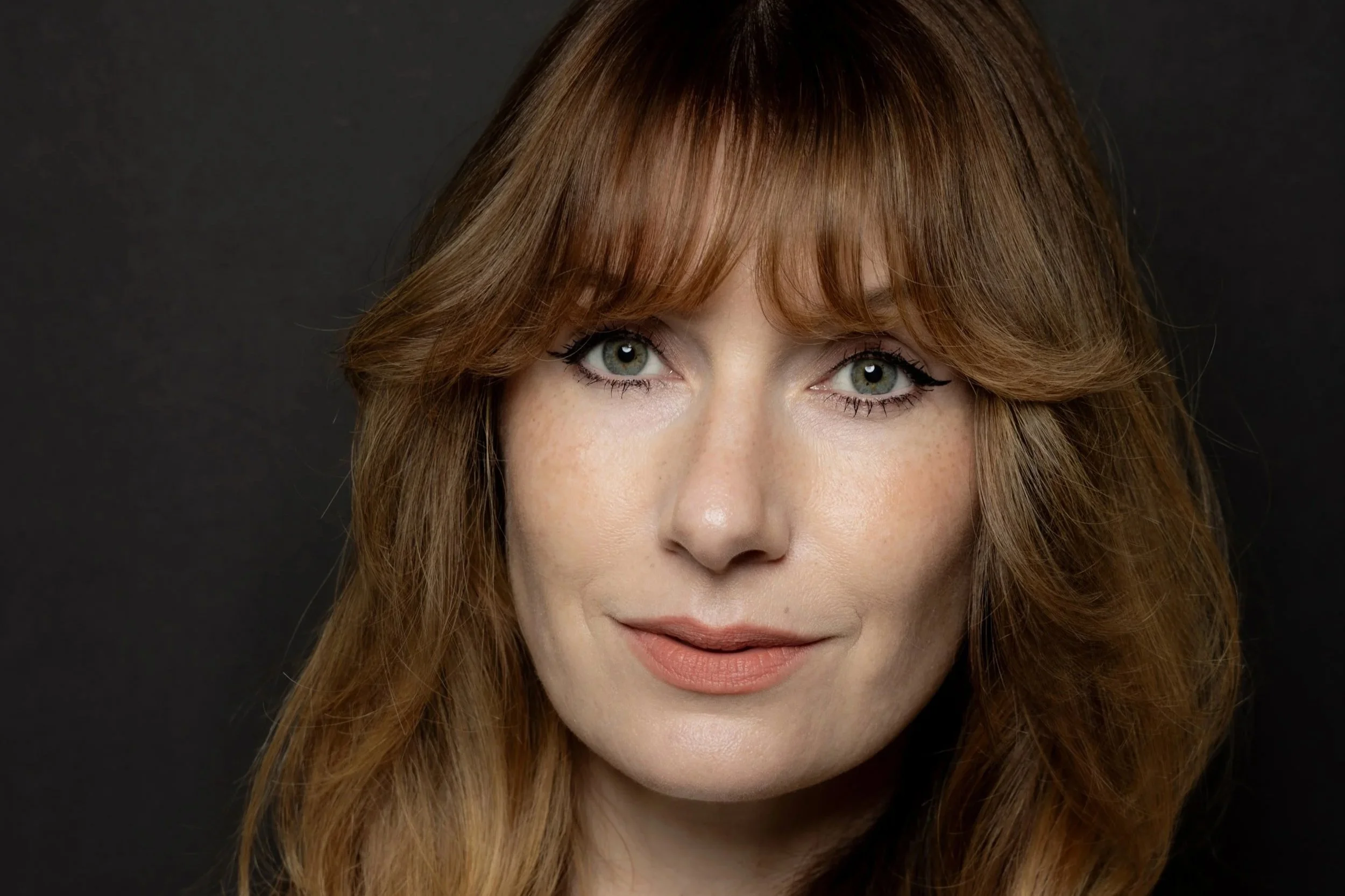
Thank you Meredith for sharing your wisdom and experience with the Fresh Starts community! You can learn more about their work by checking out Meredith’s profile below!
Please note that the blogpost above does not represent the thoughts or opinions of Fresh Start Registry and solely represents the original author’s perspective.

More from this issue
scroll for more →