
Expert Feature Julie Jenkins, Certified Divorce Financial Analyst
At Fresh Starts, we’re proud to spotlight the incredible professionals who guide people through one of life’s most challenging transitions: divorce. Today, we’re featuring Julie Jenkins, a Certified Divorce Financial Analyst , whose work helps clients find clarity, strength, and a true fresh start.
Julie, can you tell us a little about yourself, what you do and what led you to this line of work?
I’m a Certified Divorce Financial Analyst and a Post-Divorce Wealth Strategist. I help women understand their money during and after divorce: what they actually have, what it’s really worth and how each choice could affect the life they’ll have afterwards. I help them make informed, confident decisions before they agree to a divorce settlement. Even women who are deeply involved in their finances can feel completely overwhelmed when they’re suddenly faced with all of the financial decisions that come with divorce.
I didn’t take the typical path into finance, and honestly, I think that’s one of my greatest strengths. Before the divorce planning work I do now, I spent sixteen years in women’s health. I was with women through some really hard seasons: cancer, pregnancy loss and, and so often, divorce.
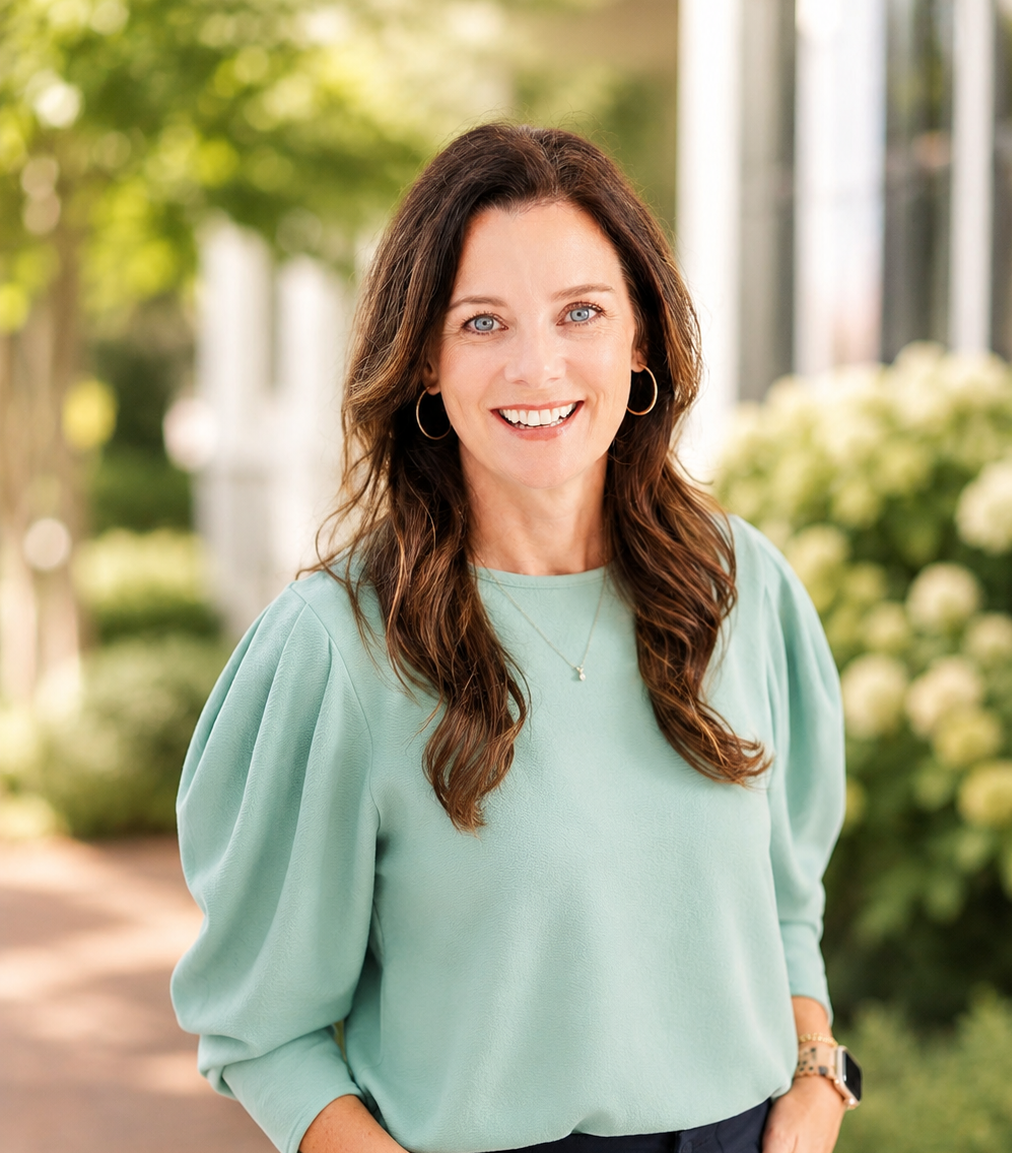
I saw what divorce was doing to them physically and emotionally, but I also saw how uncertain and alone they felt when it came to the money. That stayed with me. Eventually, it led me to build a practice focused on helping women during and after divorce.
What inspired you to work with people going through divorce or big life transitions?
Working in women’s health, I saw a side of divorce most people don’t. I saw what prolonged stress of divorce was doing to women’s health. I also heard about the things they were worried about but weren’t talking about with their attorney, financial professional or therapist.
I’ll never forget one patient in particular.
She had just been diagnosed with breast cancer when her husband served her with divorce papers. Anyone who has been through cancer treatment knows how hard that season is. The last thing you need is more stress, but she didn’t get that choice.
Like a lot of women, she’d left her career to stay home and raise their kids. And now she was fighting for her life and her financial future at the same time, with no one in her corner when it came to the money.
That was it for me. I knew in that moment, helping women like her, was the work I wanted to do. I wanted to be the person she didn’t have in her corner.
What is your specialty within the divorce space, and how do you typically support your clients?
My specialty is helping women sort through the financial side of divorce after a twenty- or thirty-year marriages. After building a life together for decades, dividing assets isn’t as simple as splitting everything down the middle.
Every woman and every divorce is different. Before I look at the numbers, I need to understand what matters to her now and what she wants her life to look like later. Then I can get technical and creative with the numbers. I run different settlement scenarios, look at different ways to divide the assets and show her how each choice could affect her income, taxes, retirement and her future.
Once she sees how those choices might play out, the numbers feel less overwhelming. She gains clarity, her confidence starts to build. She asks better questions, she understands what she’s agreeing to and she has a stronger voice in the settlement negotiations.
My work doesn’t always end when the divorce does. The question changes from “What should I ask for?” to “How do I use what I have to build the life I planned for?” We make a plan for her money, invest for her future and start working toward those goals.
What makes your approach to working with clients unique?
My approach is a combination of two different careers. My years in women’s health taught me how to help women feel comfortable during some of the most uncomfortable seasons of their lives. It also taught me not to stop at what I could see on the surface.
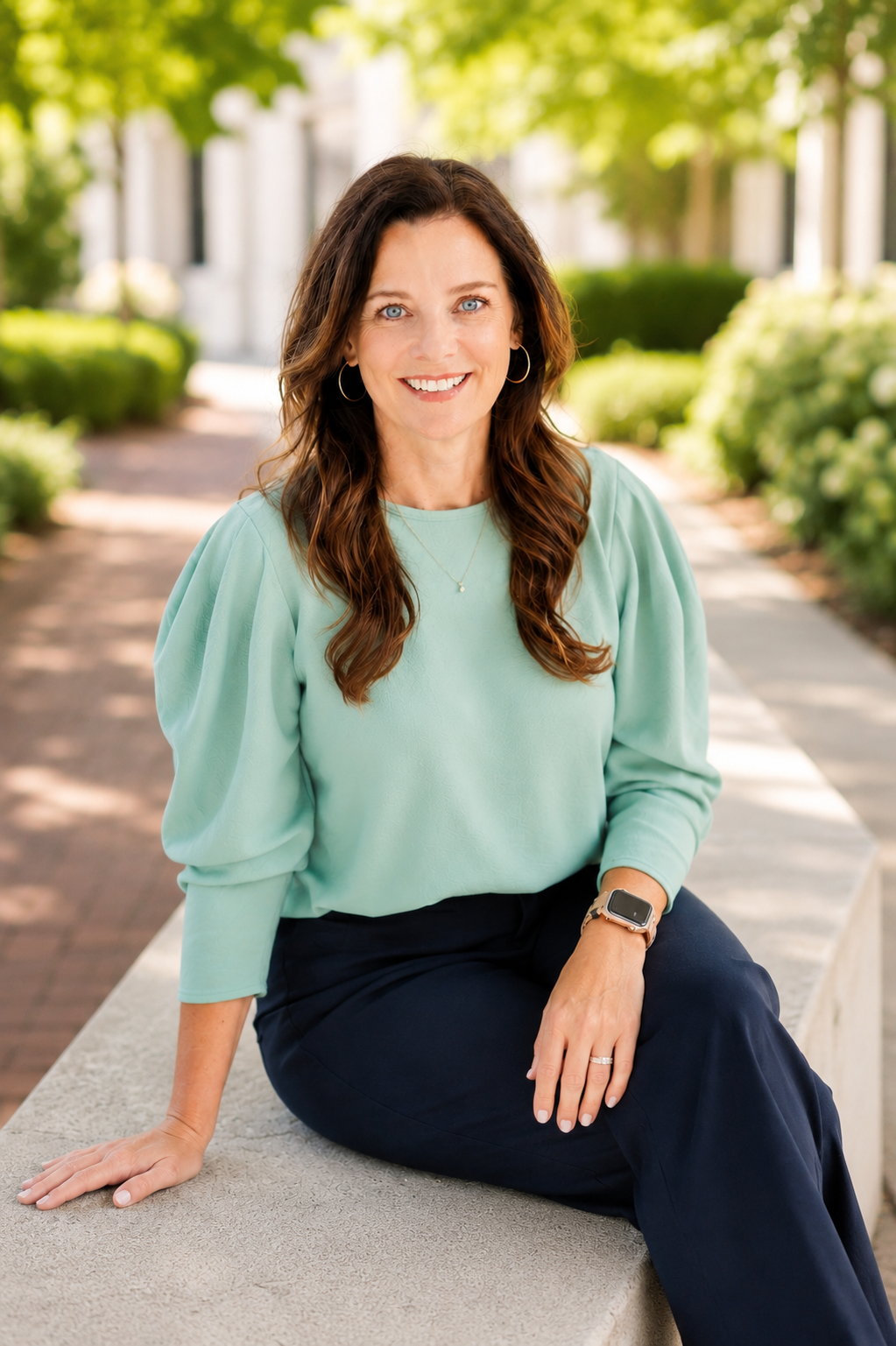
That carries over into the divorce planning I do now. The best strategy is not always in plain sight, and it’s complex. This isn’t always easy stuff to understand; the language can leave women feeling overwhelmed or talked over. I break down the financial pieces of divorce, including income, property, retirement, investments and taxes, and help her see how they all fit together. Two choices can look equal on paper but turn out very differently years later. I want her to see that difference before she agrees to something, not years later when it costs her.
I’ve been intentional about creating a space where women can be honest about what they don’t know, what they’re afraid of and what they really want without feeling judged. My clients trust me because they feel understood. And once that trust is there, we can have the hard, honest conversations that lead to better decisions.
What’s one thing that people are often surprised to learn about you?
People are often surprised to learn how much I love real estate. I'm always looking for a good real estate deal; land, house or a fixer-upper. I've been flipping real estate since the early 2000s, and have lived in all the fixer-uppers I've purchased, so I've moved more times than most people can believe.
Do you have a personal story or experience that helps you connect with clients on a deeper level?
I’ve had to rebuild parts of my own life, too. There have been times, both personally and professionally, when life changed before I was ready and the future looked nothing like I thought it would. I had to find my footing, make some hard decisions and learn to trust myself again.
I think that’s a big part of why I connect with my clients. I know what it feels like to not have everything figured out and still have to keep moving forward. So I don’t rush them. We slow things down, look at what’s right in front of us and take it one financial decision at a time. They don’t have to figure out their whole future today. We just need to work through the next decision together.
What’s your favorite way to reset after a long day?
Anything that gets me outside and in nature is usually an immediate reset for me mentally and spiritually. Some days it’s as simple as an afternoon walk or a hike. Other days it’s sitting on the deck with my husband having great conversations, a nice glass of wine and watching the sun go down.
If you could describe your work in three words, what would they be?
Clarity. Strategy. Confidence.
What does “fresh start” mean to you personally?
To me, a fresh start is about being able to rebuild a life that's truly your own. It's not about wishing parts of your past never happened. The good and the bad are both part of what made you who you are. It’s about taking what you’ve learned, getting to know who you are on your own and deciding what you want your life to look like from here.
I don’t think a fresh start means becoming a completely different person. I think it’s having the freedom to become more of who you already are. And sometimes the parts of your life you wish you could change end up being the parts that make you stronger.
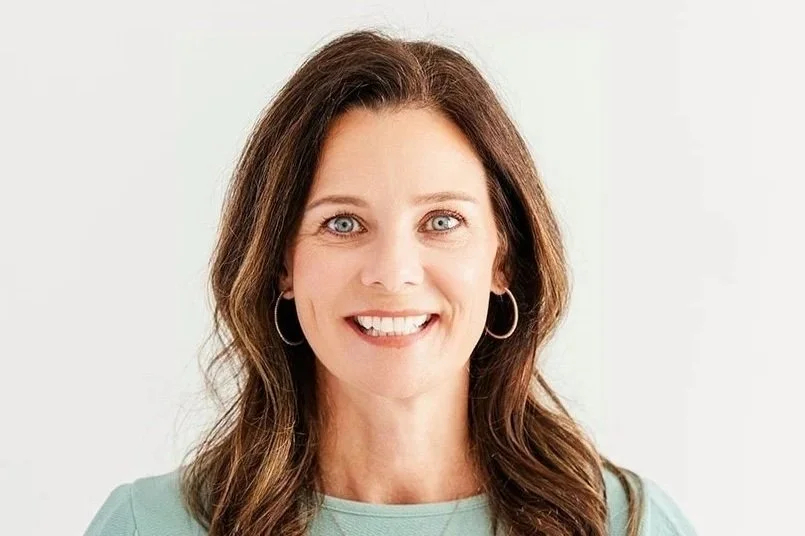
Thank you Julie for sharing your wisdom and experience with the Fresh Starts community! You can learn more about their work by checking out Julie’s profile below!
Please note that the blogpost above does not represent the thoughts or opinions of Fresh Start Registry and solely represents the original author’s perspective.

More from this issue
scroll for more →