

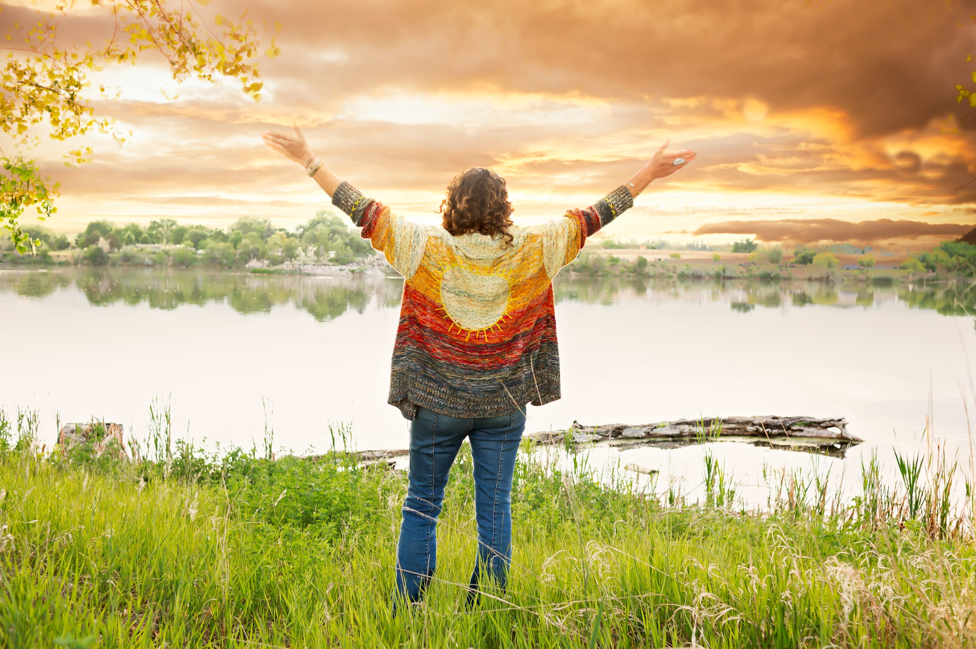
My divorce story
I filed for divorce (for the second time) during the height of the pandemic, when my son was not yet two years old. At the time, I didn’t fully understand what was happening in my marriage or how I had become a shell of who I once was. I just knew I had to get out.
The pandemic created the perfect conditions for the abuse I was living with daily to intensify to the point that denial was no longer possible. Calculated efforts to isolate me from my friends and family were disguised as concerns about health risks, cutting me off from the people I loved most.
I remember a couples counseling session near the end of our marriage. We arranged childcare so we could attend in person, and during the session, our therapist called out my ex-husband’s manipulative behavior in an attempt to create accountability. He reacted with a childish tantrum, stormed out, and drove away, leaving me there. I sat stunned, staring at our therapist. She looked at me with empathy and conviction and said, “Honey, that cookie is fully baked. You decide when you’ve had enough.” Those words gave me the clarity I needed to accept that things were as bad as they felt, that he would not change, and that divorce was the only way forward.
When I got home, I looked at my son and realized I could not stay in a marriage I would never wish for him. I would not let him grow up witnessing abuse and confusing it with love. I decided to break the cycle and build a better life for both of us.
With the support of my sister, my therapist, and Glennon Doyle’s Untamed, I began to imagine a life free from abuse. When I filed, his first reaction was to try to pull me back in. When that failed, the situation escalated. What had been abusive became something far darker, and the years that followed tested me in ways I never could have anticipated.
After escaping the relationship and moving into my own home, I survived with the unwavering support of my family, friends, therapist, and attorney. I was fueled by determination, adrenaline, and hope. I immersed myself in learning about and healing from the abuse I had experienced, stayed present for my son, and began caring for myself in ways I never had before.
What my divorce taught me
The woman I was six years ago would think I’m a total badass. After years of self-esteem-crushing abuse, I believed I wasn’t worthy of anything better than the marriage I was trapped in. The level of self-love, self-respect, and confidence I’ve developed since escaping the relationship is something I don’t believe I could have gained any other way than rising out of the ashes of an abusive divorce.
I built a gratitude practice to strengthen my resilience so I could keep fighting for protection and peace for my son and myself. Despite living through over a decade of trauma, I’m more optimistic than ever. I’m able to be fully present in moments of joy, connection, and beauty that I once took for granted.
Navigating an abusive divorce takes a village, and while I had incredible support from family and friends, it was still deeply isolating. It took nearly a year after leaving to understand that my ex fit the profile of a malignant narcissist—the combination of narcissism, sociopathy, Machiavellianism (the willingness to exploit and harm others for personal gain), and sadism (deriving pleasure from harming others).
What I would do differently
Looking back, I wish I’d had support from someone who truly understood this kind of divorce, someone who wouldn’t question my reality or minimize the chaos. I naively believed the family court system would clearly see the abuse and act to protect us, but that wasn’t my experience. My attorney was skilled, but unfamiliar with this level of psychological abuse, and some of her guidance I followed turned out to be costly mistakes.
This wasn’t a typical divorce; it was a category five hurricane of a divorce. My ex was never physically violent, but he was highly strategic, operating just below the threshold of accountability. That made it harder to prove and easier for others to misunderstand.
Knowing what I know now, I would have sought out a high-conflict divorce coach from the start, someone who understands these patterns and can help you stay two steps ahead when trauma makes clear thinking nearly impossible. My instinct was to isolate, driven by shame and the belief that somehow this was my fault.
What I know now is this: abuse is never the survivor’s fault. Healing doesn’t happen in isolation; it happens in community. If I could do one thing differently, it would be to reach for that support sooner.
How my divorce shapes my work
Before my divorce, I worked in advertising technology, software, and marketing. After it was finalized, I stepped away to recover. When I tried to return to work, I experienced what many describe as “shell shock.” I couldn’t go back to life as it was before or ignore what I had seen: a broken family court system that often fails to protect children and abused parents.
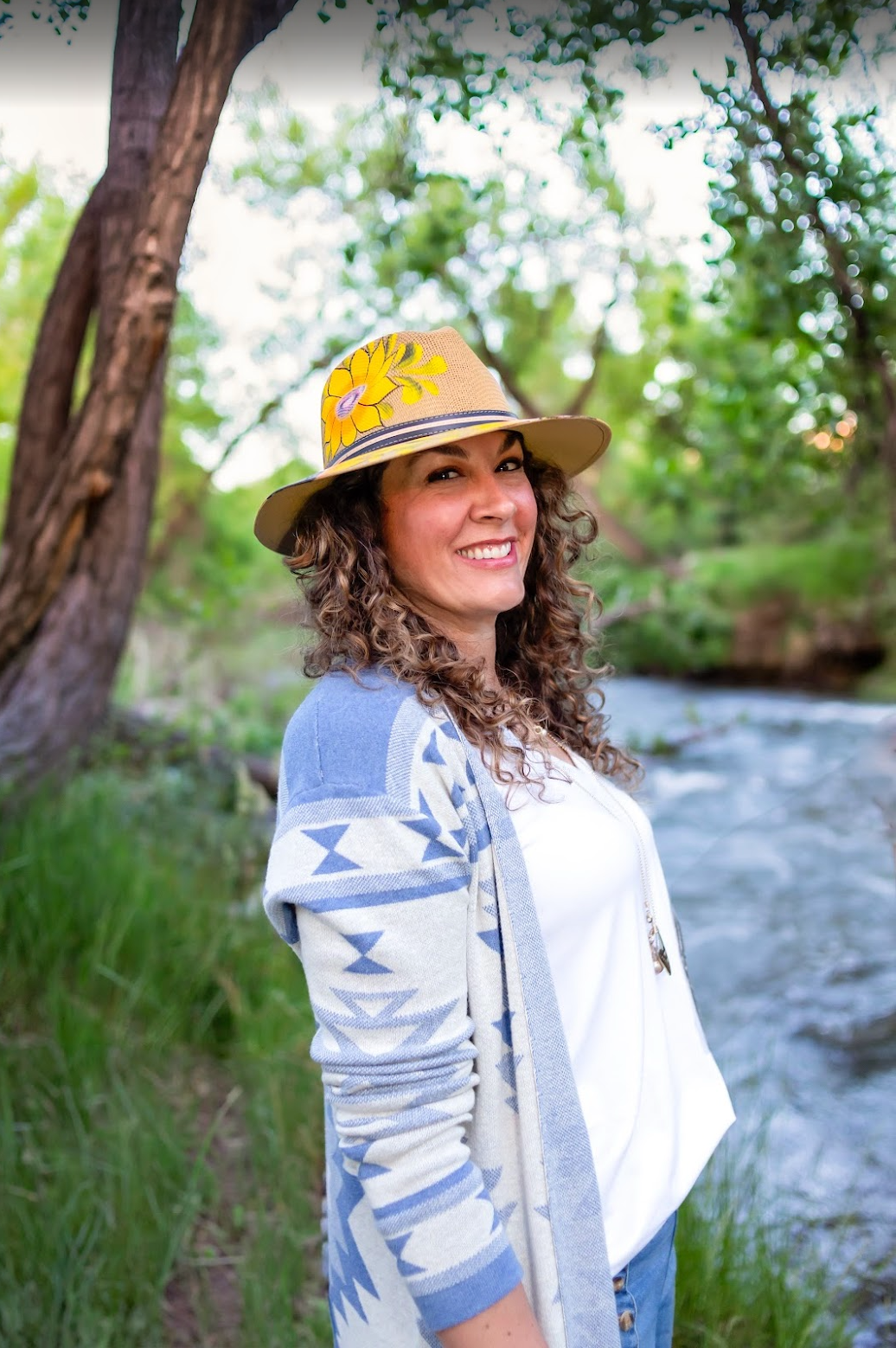
I realized it was my purpose to help protective parents and children achieve peace and safety. My experience of isolation, trauma, and financial strain deeply informs how I support my clients, who are primarily women navigating high-conflict custody cases involving coercive control and post-separation abuse.
These cases make up about 20% of divorces but consume roughly 90% of court resources. They are complex, prolonged, and misunderstood. My clients arrive anxious and hypervigilant after years of gaslighting. I provide a space where they feel seen, understood, and grounded.
I’ve achieved peace and protection for myself and my son, and I bring that same strategic lens to my clients’ cases. I also support their healing, helping them regulate their nervous systems, build resilience, and reconnect with themselves.
My advice for anyone going through divorce right now
After years of being belittled, manipulated, and betrayed, it’s tempting to rush past the pain, whether by distracting yourself, dating too soon, or adopting a “good vibes only” mindset. I understand the urge. It’s easier to avoid the pain than to feel it. But real healing requires sitting with it, unpacking it, and moving through it. It’s hard work, but it’s what prevents you from ever ending up in that place again. There is real freedom and peace on the other side. As a general guideline, I encourage clients to wait at least a year before dating, and only after beginning their healing journey.
You may also encounter what I call “bright-siding”: well-meaning comments like, “At least you’re out.” These often come from people who simply don’t understand what you’ve been through.
It helps to have a response ready: “I’m so thankful that you’ve never been through something like this. It’s really hard, it’s really confusing, and it’s really difficult to explain. I know you’re trying to help, but that doesn’t feel helpful. Here’s how you can support me…”
This allows you to set a boundary with clarity and care, without damaging the relationship.
Divorce as a fresh start
People often say that surviving life-altering trauma changes how you experience life. My divorce had the same impact on me.
I came to see my divorce as an opportunity to become the woman I had always been, but wasn’t allowed to be in my marriage. I could finally be myself again and begin creating a life that actually felt like mine.
The things I once valued no longer mattered in the same way. Even though my marriage was painful and my divorce was even harder, I wouldn’t trade the experience. It shaped who I am today. I was meant to be my son’s mama, and I was meant to walk this path to live the life that I have now.
I’m eternally grateful for that perspective. I feel truly free, and it’s a big part of the work I do with my clients to help them achieve that kind of peace and perspective as well.
The misconception I had about divorce
I naively believed that the professionals involved with divorce and family court would understand the dynamics of domestic violence, that they would understand child development and attachment theory, and that they would understand what’s truly in children’s best interests. Frighteningly, they do not. The people who make life-altering decisions are more focused on following procedure and clearing their dockets than on ensuring the well-being of the families whose fate they’re deciding. As a survivor, I was shocked that mental health professionals who presented themselves as well-trained in domestic violence had no idea what non-physical intimate partner violence actually looks like or how it affects children and families long-term.
Until the system changes, advocates, coaches, and support systems like Fresh Starts Registry are necessary to ensure that children and abused parents get the support and protection they need. My hope is that through the education and legislative advocacy work that I and other protective parents are doing, the system will change so the next generation of families will have a different experience of family court.
What people are surprised to learn about me
People are often surprised by my eclectic work background, but those experiences deeply shape and inform how I coach. I taught elementary and middle school art for four years, then earned a master’s degree in Interactive Media, which led me to work in the marketing and tech spaces. My ex-husband poached me from a job at an advertising technology company to work at his boutique software startup. I worked for him for four years total, including during the year-long process of dissolving our marriage. That last year was a nightmare, but a necessary evil at the time.
I like to say I got two good things from my ex: our son and a crash course in entrepreneurship! The education I got from that experience informs a lot of the business decisions I make for Peaceful Presence Divorce Coaching, and it gave me the courage to know I could be successful running my own business with no formal training.
Life after divorce
My case is one of the rare highest-conflict situations. Five years after our divorce, my ex still pulls us back into court. So while I’m not fully in the “after,” I have a lot to be grateful for.
My son, who wasn’t even two when I left, struggled when time was split evenly between his parents. Now that he’s with me most of the time, he’s thriving, happy, secure, and doing incredibly well. That alone brings me a level of peace I didn’t think was possible.
I’m happier, healthier, and more optimistic than ever. I live a purpose-driven life, spend time with people I love, and do what brings me joy, on my terms.
Before the divorce was final, I bought a modest home that’s become our sanctuary. I painted the floors, remodeled the kitchen, and turned the yard into a garden. It’s filled with plants, art, and so much love. I cherish our time together playing, creating, reading, and just being with one another.
I also make space for friendships, music, spirituality, and caring for myself in ways I never could before.
It took time to get here, but I can honestly say I’m the happiest I’ve ever been.
What “fresh start” means to me
To me, a fresh start is about allowing yourself to have a fresh perspective and be open to what every experience in life has to offer, no matter the situation. I have become deeply spiritual (some would call it “woo”) along the way on my healing journey, and I truly believe that everything and everyone is a teacher, and that every moment is a gift.
Even in the most challenging circumstances, I have learned to be open to what they can teach me and how I can grow from them. When I practice being present and open to the growth opportunity in every person and situation I encounter—good or bad—life feels full of possibilities. That perspective makes it possible for me to have a fresh start as often as I need it!
Please note that the blogpost above does not represent the thoughts or opinions of Fresh Start Registry and solely represents the original author’s perspective.