
Here’s How Working With a Career Transition Specialist Can Help You with Rachel Spekman
If you’ve ever wondered what role a Career Transition Specialist plays in the divorce process, you’re not alone. Today, Rachel Spekman’s pulling back the curtain on how their expertise can support you every step of the way.

Can you introduce yourself—your name, title, and the work you do?
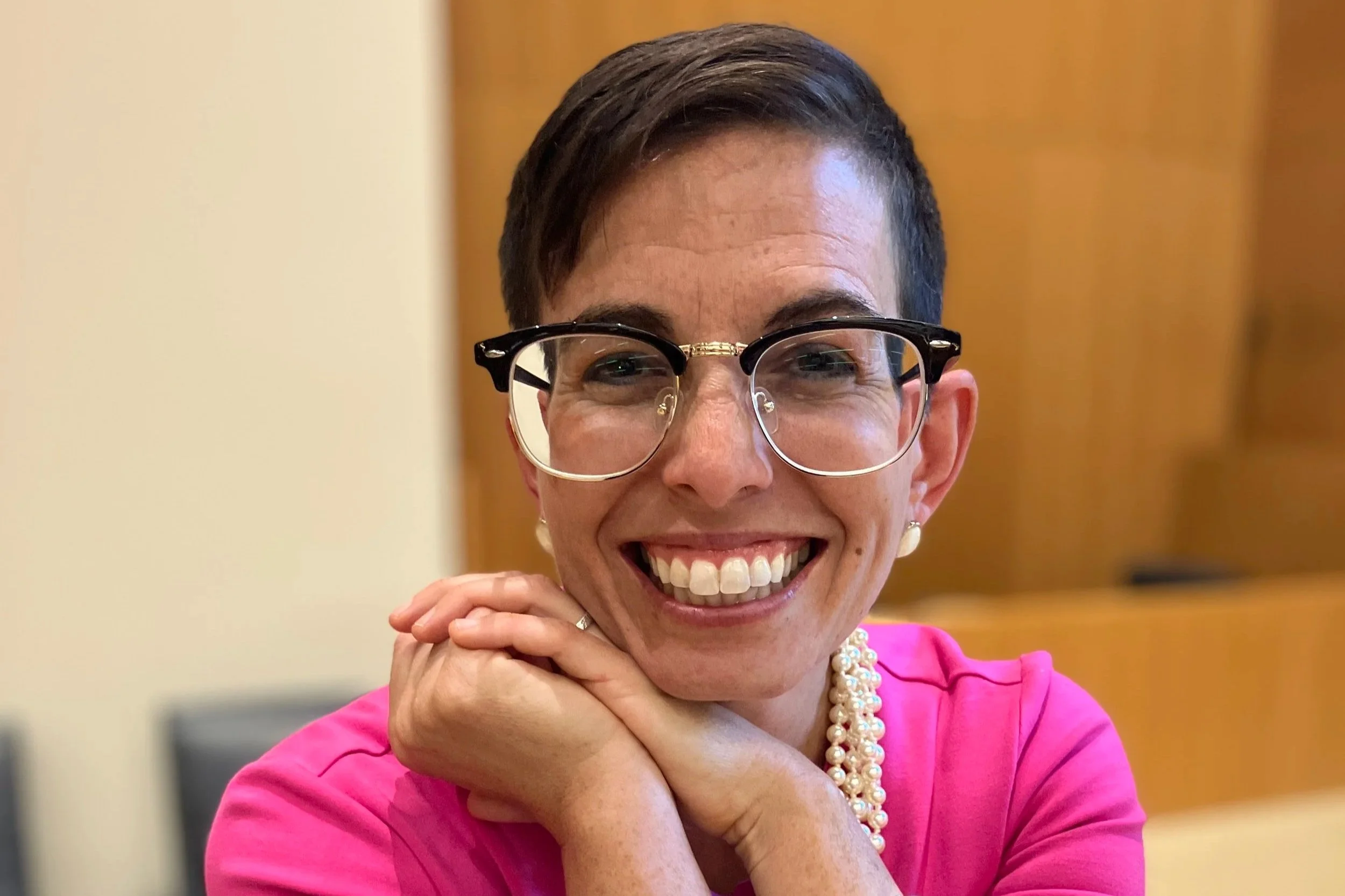
Hi, I’m Rachel Spekman, Founder of Made for More Coaching, career strategist, therapist, and coach for high-performing professionals who know they’re capable of more. I help people leave high-paid but soul-sucking careers and transition into work that is aligned with their values, strengths, and purpose—without sacrificing strong income. My work focuses on helping ambitious professionals navigate career pivots, burnout, divorce, and major life transitions so they can build careers and lives that feel both successful and fulfilling.
What drew you to this profession, and why do you specialize in divorce?
What drew me to this profession is seeing how many talented, successful people stay stuck in lives and careers that no longer fit them because change feels overwhelming. I’ve always been passionate about helping people navigate transitions with clarity, confidence, and strategy so they can create lives that feel more aligned and meaningful.
I specialize in divorce because it is one of the most significant transitions a person can experience. It often impacts identity, finances, confidence, family dynamics, and career decisions all at once. While divorce can be incredibly painful, it can also be a powerful turning point—a chance to rebuild intentionally rather than continue living on autopilot. I help people move through that chapter with support, regain stability, and use the transition as an opportunity to create a stronger, more authentic next version of their life.
What exactly does a Career Transition Specialist do during the divorce process?
A career transition specialist helps individuals navigate the professional and financial side of major life change during divorce. Divorce often creates immediate questions around income, identity, stability, and the future, especially for people who may have paused careers, outgrown their current work, or need to become more financially independent.
During the divorce process, I help clients assess where they are professionally, clarify what kind of work makes sense for this new chapter, and build a realistic strategy to increase income and long-term security. That can include returning to the workforce, negotiating higher compensation, changing careers, starting a business, or redesigning work to better fit parenting and life responsibilities.
I also support the emotional side of transition, because career decisions during divorce are rarely just about resumes and job applications. They are often tied to confidence, fear, grief, and identity shifts. My role is to help clients make smart, grounded moves so they don’t just survive the divorce process—they position themselves to thrive afterward.
What are the biggest misconceptions people have about your role?
One of the biggest misconceptions people have about my role is that career transition work is just resume help or job search support. In reality, it is much deeper and more strategic than that. It’s about helping someone rethink their identity, earning potential, priorities, and long-term direction during a major life transition.
Another misconception is that people should wait until the divorce is finalized before thinking about their career. Often, the smartest time to begin is during the process, so they can build clarity, confidence, and financial momentum as they move into their next chapter.
People also assume career change during divorce has to mean starting over or taking a major pay cut. In many cases, it’s about leveraging existing strengths, transferable skills, and experience in a smarter way that creates both income and fulfillment.
Finally, some believe this work is only practical and tactical. While strategy matters, transitions are emotional too. My role is to help clients navigate both the external steps and the internal shifts so they can make decisions from a place of strength rather than fear.
At what stage in divorce should someone consider working with a Career Transition Specialist?
Someone should consider working with me as soon as they realize divorce may be part of their reality—or anytime they know their current career or financial situation will need to change because of it. You do not need to wait until everything is finalized. In fact, getting support earlier often creates more options and less stress.
For some people, that means working together in the contemplation stage, when they are asking themselves how they would support themselves, what life could look like independently, or whether they’ve outgrown both the marriage and the career attached to it. For others, it happens during the active divorce process, when decisions around income, housing, parenting schedules, and future stability become urgent.
Many people also seek support after the divorce is finalized, when they are ready to rebuild confidence, reenter the workforce, pursue a promotion, start a business, or create a more meaningful next chapter.
The truth is there is no wrong time. If someone feels stuck, uncertain, financially anxious, or ready for reinvention, that is the right time to begin.
What are the top ways you help clients during divorce?
The top ways I help clients during divorce center around creating stability, confidence, and a clear path forward during a time that can feel uncertain.
First, I help clients strengthen their financial footing by identifying career opportunities, increasing income potential, negotiating compensation, or creating a plan to reenter the workforce.
Second, I help clients navigate career transitions. Many people realize during divorce that their current job no longer fits their needs, values, or responsibilities. Together, we determine whether the best move is to refine their current path, rebuild in a new role or company, or redesign work entirely through consulting, entrepreneurship, or flexible options.
Third, I help rebuild confidence and identity. Divorce can shake someone’s sense of self, especially if they have spent years prioritizing others. I help clients reconnect with their strengths, gifts, and what they truly want next.
Fourth, I provide structure and accountability. During emotionally intense periods, it is easy to freeze or procrastinate. I help clients stay focused, take strategic action, and keep momentum.
Ultimately, I help clients use divorce not as an ending, but as a transition into a stronger, more aligned, and empowered next chapter.
How does working with you make the process less overwhelming or stressful?
Working with me makes divorce less overwhelming by turning uncertainty into a clear, strategic plan. I help clients navigate career, income, and identity decisions step by step, so they are not carrying everything alone or trying to solve it all at once. I provide structure, accountability, and steady support during a highly emotional time. Instead of feeling stuck, fearful, or directionless, clients gain confidence, momentum, and a practical path toward financial stability, meaningful work, and a stronger next chapter.
What outcomes do your clients usually experience after working with you?
My clients usually experience greater clarity, confidence, and momentum during a time that often feels uncertain. Instead of feeling stuck or overwhelmed, they leave with a clear plan for their next chapter and the confidence to execute it.
Professionally, many clients secure stronger job opportunities, increase their income, return to the workforce, negotiate better compensation, or successfully pivot into work that better fits their values and lifestyle. Others create more flexible paths through consulting, entrepreneurship, or redesigned careers.
Personally, clients often experience a renewed sense of identity and self-trust. Divorce can shake confidence, but through our work they reconnect with their strengths, make decisions from a place of empowerment, and stop defining themselves by what they have been through.
Ultimately, the outcome is not just career progress—it is building a life that feels more stable, aligned, and hopeful than the one they thought they had lost.
What’s one example of how your work has made a big difference in someone’s divorce journey? (You can share generally, no personal details needed.)
One example that stands out is a client who came to me feeling trapped and overwhelmed. She was navigating divorce, doubting her ability to support herself, and believed she had to accept work that felt draining just to survive. The fear around money was keeping her stuck.
Together, we created a clear career strategy based on her strengths, experience, and the kind of life she wanted moving forward. We worked on confidence, positioning, and practical next steps. Within a relatively short period of time, she secured a stronger opportunity with better income and more flexibility than she thought was possible.
The biggest shift was not only financial—it was emotional. She moved from feeling powerless and scared to feeling capable, hopeful, and in control of her future. That kind of transformation can change the entire divorce journey.
What’s one piece of advice you’d give someone thinking about hiring a Career Transition Specialist?
My biggest piece of advice is not to wait until you feel “ready” or until everything is finalized. Major transitions rarely come with perfect timing, and waiting often prolongs stress, confusion, and missed opportunities.
The right career transition specialist helps you create clarity when life feels uncertain, identify options you may not see on your own, and make smart moves that protect both your income and your future. Look for someone who understands not just resumes and job searches, but also identity shifts, confidence rebuilding, and the emotional side of change.
The right support can save you time, reduce costly mistakes, and help you move into your next chapter with far more confidence and momentum.
How do you collaborate with other divorce professionals to support clients?
I collaborate with other divorce professionals by helping clients address the career, income, and life-transition pieces that often impact the broader divorce process. Divorce is rarely just a legal matter—it can involve finances, housing, parenting, emotional stress, and future planning—so strong collaboration creates better outcomes.
I often work alongside divorce attorneys, mediators, financial planners, therapists, and divorce coaches. While they focus on their areas of expertise, I help clients clarify earning potential, evaluate career options, rebuild confidence, and create a practical plan for financial independence and long-term stability.
For example, an attorney may be guiding legal decisions while I help a client think through returning to work or increasing income. A financial professional may be building post-divorce budgets while I help create the career strategy that supports those goals. A therapist may be supporting emotional healing while I help translate renewed confidence into concrete next steps.
My goal is to be part of a trusted team that helps clients feel supported from every angle so they can move through divorce with more clarity, strength, and momentum.
Thank you Rachel for sharing your wisdom and experience with the Fresh Starts community! You can learn more about their work by checking out Rachel’s profile below!
Please note that the blogpost above does not represent the thoughts or opinions of Fresh Start Registry and solely represents the original author’s perspective.

More from this issue
scroll for more →