
You Survived the Divorce.Now Comes the Part No One Talks About.

When “Doing Fine” Doesn’t Feel Fine
There’s a point after divorce when everyone seems to expect you to be okay. The paperwork is finished. The major decisions have been made. You’ve figured out a new routine. You’re working, paying the bills, showing up for the people who depend on you, and doing what needs to be done. And maybe you expected to feel okay by now, too.
From the outside, it may even look like you’ve moved on. But there’s a part of rebuilding after divorce that doesn’t get talked about nearly enough: getting your life functioning again isn’t the same as feeling like yourself again.
You can be perfectly capable of managing your life and still quietly wonder, Who am I now? What do I actually want? Can I trust myself to make the right decisions about what comes next? For many women, this is where a different kind of rebuilding begins.
From “We” Back to “Me”
Marriage teaches us to think in terms of “we.” Even when you are independent and capable, years of sharing a life with another person can shape the way you make decisions, plan for the future, spend your time, and think about your own needs. Then, after divorce, many of those decisions belong to you alone.
At first, that freedom may not feel very freeing. You may second-guess choices that once seemed simple. You might ask friends or family what they think before trusting your own answer. You may know exactly what everyone else needs from you but have difficulty answering a much more personal question: What do I want?
That uncertainty doesn’t mean you’re incapable of creating a new life. It may mean that your relationship with your own voice needs attention, too.
The Quiet Loss of Self-Trust
We often talk about the more visible losses that can accompany divorce: the relationship, the home, financial changes, friendships, traditions, or the future you thought you were going to have. We don’t talk nearly as much about one of the quieter things that can be shaken in the process: self-trust.
Divorce can leave you questioning things you once felt certain about. How did I not see this coming? Did I make the wrong choices? What if I get it wrong again? Can I trust my own judgment? Those questions can follow you long after the practical pieces of the divorce have been handled.
That’s why rebuilding after divorce isn’t only about creating a new schedule, finding a new home, dating again, or deciding what your next chapter should look like. Sometimes the deeper work is learning to hear yourself again—and trusting what you hear.
You Don’t Have to Go Back to Who You Were
There’s also an assumption we sometimes make about healing: eventually, we’ll get “back to ourselves.” But what if going back isn’t the goal? Divorce changes you. So do grief, disappointment, growth, age, experience, and everything else you’ve lived through along the way. The woman on the other side of divorce doesn’t have to recreate the woman she was before it. She gets to discover who she is now.
That may mean noticing which parts of your old life still fit and which don’t. It may mean rediscovering interests you’ve neglected, recognizing needs you’ve minimized, establishing new boundaries, or allowing yourself to want something different than you wanted five or ten years ago. You don’t have to have all of those answers immediately. Reconnection often starts much smaller—with becoming curious about yourself again.
Reconnect. Rebuild. Reclaim.

In my work with women navigating life after divorce, I think about this process in three stages: reconnect, rebuild, and reclaim. First, reconnect with yourself by paying attention to your needs, preferences, values, emotions, and the voice underneath everyone else’s opinions and expectations. Then, rebuild self-trust by making small decisions without automatically questioning yourself, keeping promises to yourself, and noticing the evidence that you are capable of navigating your own life. Finally, reclaim your future by beginning to create a life that reflects the woman you are becoming rather than the life you think you’re supposed to have after divorce.
These aren’t boxes to check, and rebuilding self-trust doesn’t necessarily happen through one dramatic decision. Sometimes it starts with something as ordinary as choosing what you want to do on a Saturday afternoon without wondering whether someone else would approve. It can look like saying no without writing an internal essay defending your decision. It can be trying something new, changing your mind, or making a choice without immediately asking three other people whether they think it was the right one.
Give Yourself Room to Discover What’s Next
There can be tremendous pressure after divorce to prove that you’re doing well. But you don’t have to rush into a new relationship, reinvent yourself overnight, or have an impressive answer when someone asks what you’re doing next. There is value in the in-between. This is where you get to listen, experiment, change your mind, discover what feels like you and what doesn’t, make decisions, and learn from them.
Gradually, something begins to shift. Instead of constantly asking, Am I making the right choice? you begin asking, Does this choice feel right for me?
It’s a subtle difference, but a powerful one.
Creating What Comes Next
Rebuilding your life after divorce isn’t only about getting your life back together. It’s also about rebuilding the relationship you have with yourself. And perhaps one of the greatest opportunities on the other side of divorce is realizing that you don’t have to know exactly who you’re going to become.
You can trust yourself enough to find out.
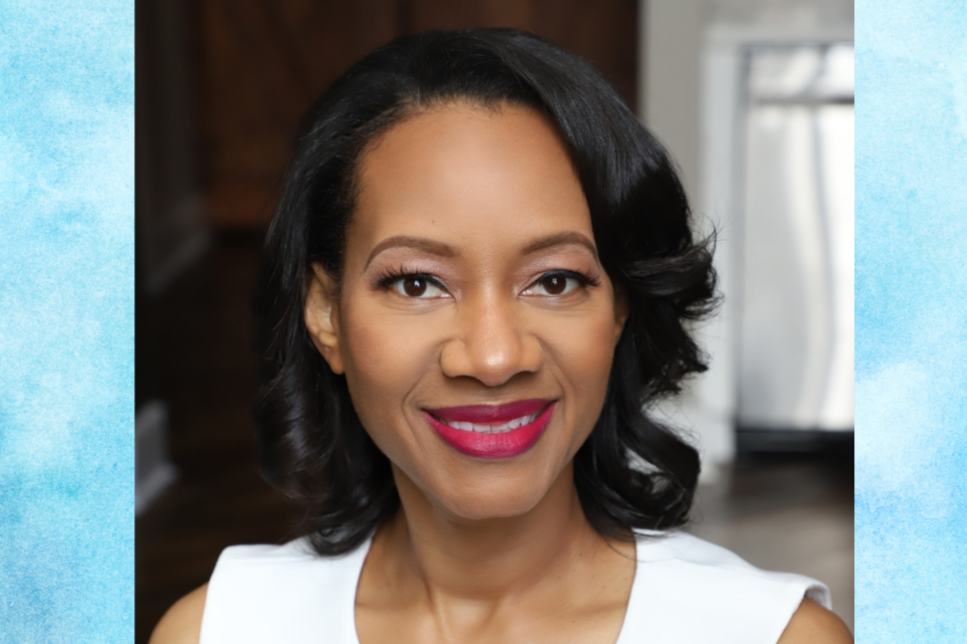
Please note that the blogpost above does not represent the thoughts or opinions of Fresh Start Registry and solely represents the original author’s perspective.

More from this issue
scroll for more →