
The Biggest Misconceptions About Divorce, According to a Divorce Professional
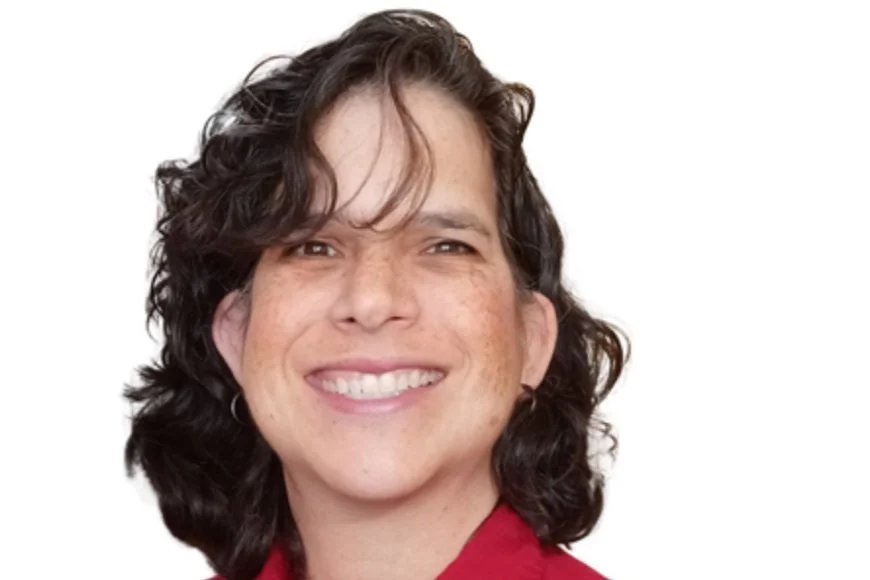

Can you introduce yourself—your name, role, and how you support people during divorce?
I'm Isabel Sanchez, a financial coach and founder of MES Financial Coaching. I work with women and couples going through major life changes, including divorce. A lot can shift financially during that time, and even things that used to feel simple can suddenly feel confusing. We slow things down, look at what is happening with their money, organize what feels overwhelming, and figure out what needs attention first. From there, they can make financial decisions with more confidence and have a clearer picture of what comes next.
Why did you choose to specialize in divorce work?
Divorce can change so many parts of a person's financial life at once. Income may change, expenses can shift, and decisions that used to be shared may suddenly fall on one person. I was drawn to this work because I saw how overwhelming that can feel when someone is already dealing with so many other changes. Having a place to sort through the financial side, understand what has changed, and focus on what needs attention can make the transition feel much more manageable.
In your experience, what’s the #1 thing people don’t understand about divorce?
I think one of the biggest things people do not realize is that the financial adjustment often continues long after the divorce is final. The paperwork may be done, but your day-to-day life is still changing. You may be adjusting to a different income, new expenses, added responsibilities, or financial tasks your former spouse used to handle. It can take time for those changes to feel normal, and people are often surprised by how long that adjustment can last.
What are some common myths you see (from TV, movies, or general assumptions) that just aren’t true?
One of the biggest myths is that divorce means starting over from nothing. Your financial life may look very different afterward, but different does not mean hopeless. You are not starting with nothing. You are starting from where you are now, with the information and resources you have. TV and movies also tend to make every money conversation look like a fight. In real life, things can be complicated, but not every financial decision has to turn into a battle.
What do friends and family often misunderstand about supporting someone going through divorce?
Friends and family usually want to help, but sometimes that turns into giving advice or telling someone what they think they should do. When someone is already trying to process so much, more opinions can actually make things feel harder. Sometimes the best support is simply listening without judgment or pressure. Practical help can matter too, whether that means encouraging them to get organized, write down their questions, or connect with the right professional when they need more support.
What do clients often wish they had known earlier in the process?
Many clients wish they had asked for help sooner instead of feeling like they had to understand everything on their own. They also often wish they had paid closer attention to their day-to-day finances earlier in the process. Knowing what is coming in, where the money is going, what bills and responsibilities exist, and what may change can make a huge difference. The more clearly someone understands their financial picture, the easier it is to know what questions to ask and what needs attention next.
How do emotions, finances, and legal realities often clash in ways people don’t expect?
They do not always move at the same pace. You may be dealing with legal deadlines or financial decisions while you are still trying to adjust emotionally to what is happening. At the same time, your household, routines, and responsibilities may be changing too. That can make even everyday money decisions feel harder than usual. Sometimes the pressure to make decisions comes before someone feels ready, and that can be one of the hardest parts of the process.
From your perspective, what makes divorce harder than people imagine?

I think people often expect to feel settled once the biggest pieces are behind them. But even after the legal process is over, there can still be a lot to adjust to. Your routines may be different, your financial responsibilities may have changed, and you may be making decisions on your own that used to be shared. It can take time before your new normal actually feels normal. That in-between stage is something people do not always expect, and the adjustment can last longer than they imagined.
What makes it easier, once people understand it better?
It gets easier when you stop feeling like you have to figure out everything at once. You do not need to solve your entire financial future today. You just need to understand what is happening now, what needs your attention first, and what can wait. Breaking things into smaller pieces makes it feel much more manageable. Once you have a clearer picture of your money, decisions usually feel less intimidating because you are working from actual information instead of fear or uncertainty.
How do you guide clients through these hidden truths?
Through the Intentional Money Journey, I help clients work through their finances in a way that feels manageable instead of overwhelming. We look at what is coming in, what is going out, what responsibilities have changed, and what needs attention first. We also build a spending plan that reflects the life they are living now. I do not expect clients to have all the answers when they come in. We work through it together, one step at a time, so they can feel more organized and confident about what they are doing next.
What’s one message you wish every person could hear about divorce?
Divorce may change your financial life, but it does not define what comes next. You can still make thoughtful decisions, build new routines, and create a financial life that reflects where you are now. Things may look different than you expected, but different does not mean less stable, less secure, or less intentional. You can move forward with a clearer understanding of your money and more confidence in the choices you make for yourself.
Please note that the blogpost above does not represent the thoughts or opinions of Fresh Start Registry and solely represents the original author’s perspective.

More from this issue
scroll for more →