
I Survived the Divorce. Why Don’t I Feel Better?
You made it through the conversations you dreaded. You figured out where everyone would live, how the bills would get paid, when the kids would be where, and what holidays would look like now. You learned how to answer, “How are you doing?” when you weren't even sure how to answer that question for yourself.
Maybe the divorce is final. Maybe it isn't. Either way, life has started moving forward. You're functioning. You're getting the kids where they need to go. You're working. You're paying bills. You're answering texts. You're making dinner. You're doing all the things that need to be done.
From the outside, you might even look like you're doing really well. But inside? You're exhausted. One message from your ex can still derail your entire day. You second-guess yourself constantly. You feel guilty when your kids struggle. The house feels painfully quiet when they're gone. You don't really know what you want anymore.
And somewhere in the middle of holding everything together, you start wondering: I survived the divorce. Why don't I feel better?
Because surviving a divorce and rebuilding your life after one are two very different things.
Survival Mode Was Useful. You Just Weren't Meant to Live There Forever.
During divorce, there is often so much to manage that you don't have the luxury of stopping to process every emotion as it comes. There are decisions to make. Papers to sign. Conversations to have. Children to support. Finances to figure out. Sometimes there is conflict to manage on top of all of it.
So you do what needs to be done. You get through today. Then tomorrow. Then the next thing. And there's nothing wrong with that. Sometimes getting through the day really is the assignment.
The problem comes when the crisis begins to settle but your life is still organized around surviving it. You're still bracing for the next problem. You're still reacting to everything around you. You're still putting yourself at the bottom of the list. You're still measuring whether you're okay by whether everyone else is okay.
You're surviving your life instead of participating in it.
At some point, divorce recovery has to become about more than getting through what happened. It has to become about rebuilding the person who lived through it.
You Can Be Functioning Without Feeling Like Yourself
This is particularly easy for moms to miss. When people depend on you, life doesn't stop because you're heartbroken, overwhelmed, angry, confused, or grieving. The lunches still need to be packed. Someone still needs a ride to practice. The laundry still piles up.
You become incredibly good at functioning while struggling. And because you're functioning, you may start judging yourself for not feeling better.
Why am I still struggling with this? Why can't I just move on? Shouldn't I be over this by now?
But functioning and healing aren't the same thing.
You can build a new routine without building a new sense of self. You can stop crying every day without feeling excited about your future. You can become more independent without feeling confident. You can know the divorce was the right decision and still grieve the life you thought you were going to have. You can be strong and still be tired of having to be strong.
Your ability to keep going is something to acknowledge. But eventually, the question changes from “How do I get through this?” to “How do I want to live now?”
Your Ex May Be Gone, but They Can Still Be Running Your Emotional Life
One of the strangest parts of divorce is realizing that a relationship can be over while the other person still has enormous influence over how you feel.
A text comes through and your stomach drops. A comment makes you angry for the rest of the afternoon. A difficult custody exchange consumes your thoughts. You hear something about their new relationship and suddenly you're spiraling.
So you tell yourself: I'll feel better when they stop doing this. I'll be able to move on when co-parenting gets easier. I'll finally have peace when they change.
And to be clear, difficult circumstances are difficult. You don't have to pretend something doesn't hurt or bother you in order to be “healed.”
But there is a difference between acknowledging what affects you and handing it control over you. If your peace requires another person to behave exactly the way you want them to, your peace will always be fragile.
Part of rebuilding is learning: I can't control what happens around me, but I can decide what gets access to me, how I respond, what I participate in, and how I take care of myself afterward.
That doesn't make the circumstances easy. It makes your wellbeing less dependent on circumstances you cannot control.
You May Still Be Trying to Keep Everyone Else Okay
For many women, divorce doesn't automatically end the role they played during the marriage. The peacekeeper keeps peacekeeping. The caretaker keeps caretaking. The woman who felt responsible for everyone else's emotions continues carrying them.
Except now she's trying to manage her children's feelings about the divorce, her ex's reactions, her family's opinions, the logistics of two households—and her own emotions somewhere underneath all of that.
No wonder she's exhausted.
You can support your children without making it your job to ensure they never feel sad. You can communicate respectfully with your ex without taking responsibility for how they react. You can love your family without needing them to approve of every decision you make. And you can be a devoted mother while still being a woman with needs, dreams, interests, boundaries, and a life of her own.
Rebuilding after divorce often requires asking a question that may initially feel uncomfortable: Where am I in my own life?
Not because everyone else suddenly stops mattering. Because you matter, too.
The Quiet Can Reveal Something Important
Then there are the days the kids aren't home. For some women, those are the hardest.
The house that once felt chaotic suddenly feels too quiet. There is nobody asking for a snack, needing a ride, looking for their charger, or calling your name from another room.
At first, that quiet can feel like loneliness. But sometimes underneath the loneliness is another realization: I don't know who I am when nobody needs anything from me.
If you've spent years defining yourself through your roles—wife, mother, caretaker, partner, problem-solver—losing or changing one of those roles can leave an enormous blank space.
And your instinct may be to fill it as quickly as possible. Stay busy. Scroll. Work more. Start dating. Make plans every night you don't have the kids. Anything to avoid sitting in the space where your old life used to be.
But that space can eventually become something else. It can become the place where you start meeting yourself again.
What do you enjoy? What matters to you now? What have you outgrown? What have you always wanted to try? What kind of relationships do you want? How do you want your home to feel? What do you want an ordinary Tuesday in your new life to look like?
You don't need to have all those answers yet. Part of rebuilding is giving yourself permission to discover them.
Maybe You Don't Need to “Get Back to Yourself”
Women often tell me, “I just want to feel like myself again.” But what if recovery isn't about getting back to the woman you were?
That woman existed within a different life. You've experienced things she hadn't experienced yet. You've learned things she didn't know. You've probably discovered needs, boundaries, strengths, values, and desires that you understand differently now.
You don't have to recreate her. You get to decide who you are becoming.
That might mean changing things you once tolerated. It might mean discovering that some relationships no longer fit. It might mean saying no more often. It might mean trying things that make absolutely no sense to anyone else. It might mean learning how to enjoy your own company. It might mean creating a life that looks different from the one you once imagined but feels much more like yours.
And it probably won't happen all at once. Rebuilding happens in ordinary moments when you begin making choices based not only on what will keep everyone else comfortable, but on what aligns with the life and woman you're creating.
The Goal Isn't Just to Be “Over” Your Divorce
There will probably come a point when you realize you don't want your divorce to be the most interesting thing about you anymore. You don't want to spend the rest of your life analyzing what happened. You don't want every decision to be a reaction to your ex. You don't want your future to be defined entirely by your past.
And you don't have to.
There is a stage of divorce recovery that isn't about your marriage anymore. It's about you. Your emotional wellbeing. Your identity. Your boundaries. Your confidence. Your relationships. Your desires. Your future. Your ability to create a life that doesn't merely look okay from the outside, but actually feels good to live.
So if you've survived your divorce but you're wondering why you still don't feel like yourself, don't assume you're doing something wrong. Maybe you're simply being asked a different question now.
Not: “How do I survive this?”
But: “What do I want to create from here?”
You don't have to wait until your ex changes, your kids are completely okay, life becomes easy, or you have your entire future figured out before you begin answering it.
You survived the chapter you didn't choose.
Now you get to have a say in the one you write next.
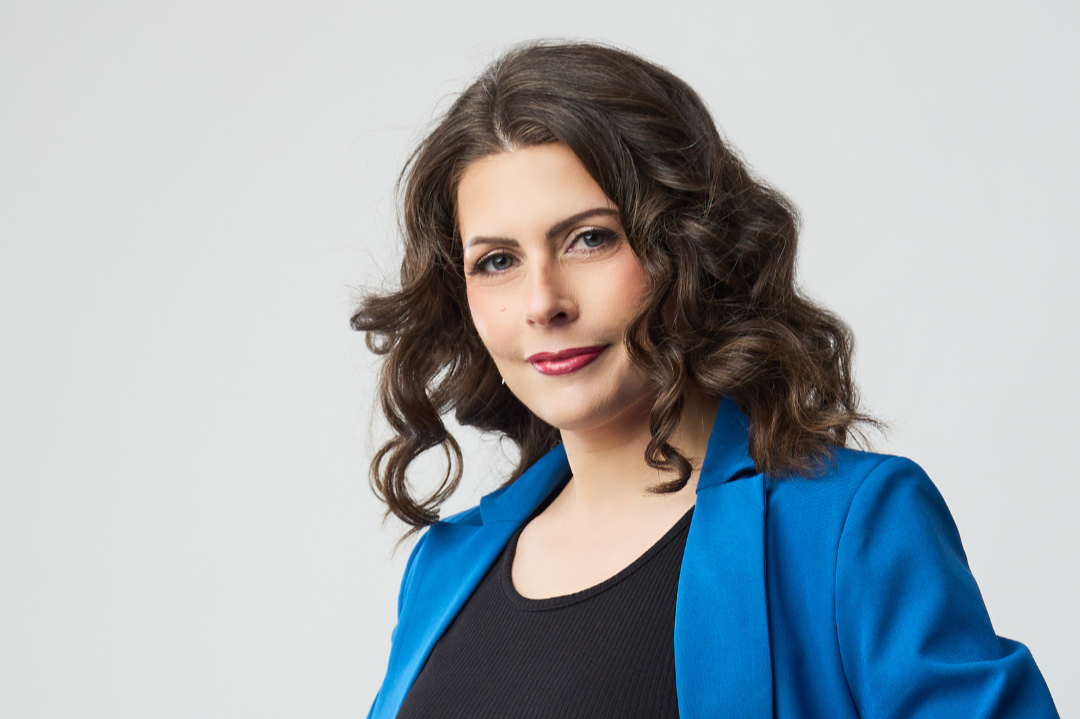
Leah Marie Mazur is a Divorce Recovery Coach and founder of Mindfully Ready. She helps divorced and divorcing moms rebuild emotional stability, self-trust, confidence, and identity so they can stop living in survival mode and create a life that genuinely feels like theirs again.
Learn more about and how to work with Leah Marie Mazur here!
Please note that the blogpost above does not represent the thoughts or opinions of Fresh Start Registry and solely represents the original author’s perspective.