
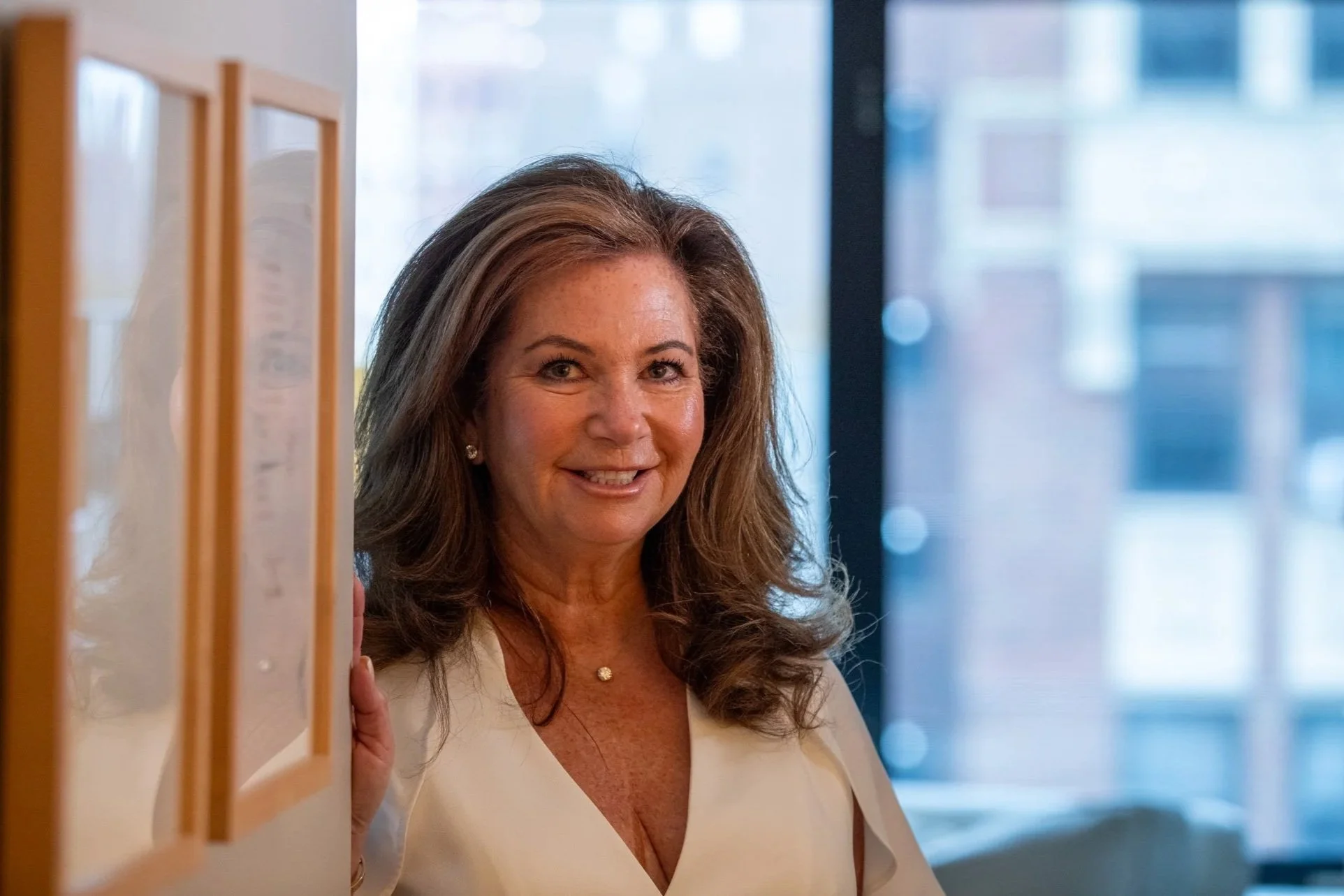
Can you tell us a little about yourself, what you do and what led you to this line of work?
I’m building a movement of people who are ready to leave toxic relationship patterns behind, so those patterns stop following them into every relationship in their lives. Most people don’t keep picking the wrong person. They keep picking the same pattern in a different outfit, and it shows up with a new partner, a boss, a friend, and very often in the divorce itself. That idea sits at the center of everything I do.
I’m a licensed clinical social worker in Chicago, and I’ve been in private practice for more than 25 years. Through Life Transitions Counseling, PLLC, I help therapy clients understand the relationships that shaped them and build new ones that don’t cost them themselves. Through my divorce consulting practice, I work as a Divorce Consultant and Relational Strategist alongside attorneys for clients whose divorces are shaped by emotional abuse and coercive control. My book, Undertow: The ISLAND Method for Breaking Free from Love Addiction, gives readers a map for finding their way back to themselves.
What inspired you to work with people going through divorce or big life transitions?

Over and over, I watched clients leave a painful relationship and then find the same pattern waiting for them in the divorce itself. The control didn’t end when someone moved out. It showed up in emails about money, in messages carried by the kids, and in a legal process that a controlling partner knew how to use. I realized that many people needed someone who could explain the relationship system they were still caught in, so they could make clear decisions while their attorney led the legal strategy.
What is your specialty within the divorce space, and how do you typically support your clients?
I specialize in emotional abuse and coercive control in high asset, high conflict divorce. These are often cases where one partner looks polished, reasonable and successful from the outside, while using money, influence and the legal process to keep controlling the other. As a consultant, I work with one client alongside their attorney. I help clients recognize the patterns that follow them into the legal process, steady themselves when they feel the hook pulling them back, prepare for evaluations and important conversations with counsel, and find their own voice again. I don’t give legal advice, and consulting is separate from therapy, so every client knows exactly what role I’m playing.
What makes your approach to working with clients unique?
I treat love addiction as an addiction, not primarily as an attachment or codependency issue, and that distinction changes everything about recovery. It explains why someone can see the truth about a relationship and still feel pulled back toward it. I spent years developing my framework, The ISLAND Method: A Framework for Relational Recovery™, in my therapy practice, refining it with clients as they found their way out of emotionally abusive patterns and back to themselves.
Now I bring that same lens into the divorce process as a consultant, working alongside attorneys. The patterns that shaped a marriage rarely stay home when the case begins, so I help clients recognize them in negotiations, communication and evaluations, and respond from a steadier place. Many clients look reactive, scattered or overly explanatory during a divorce, and that presentation is often the result of what they’ve lived through. Naming it helps clients, and the professionals around them, see the person clearly.
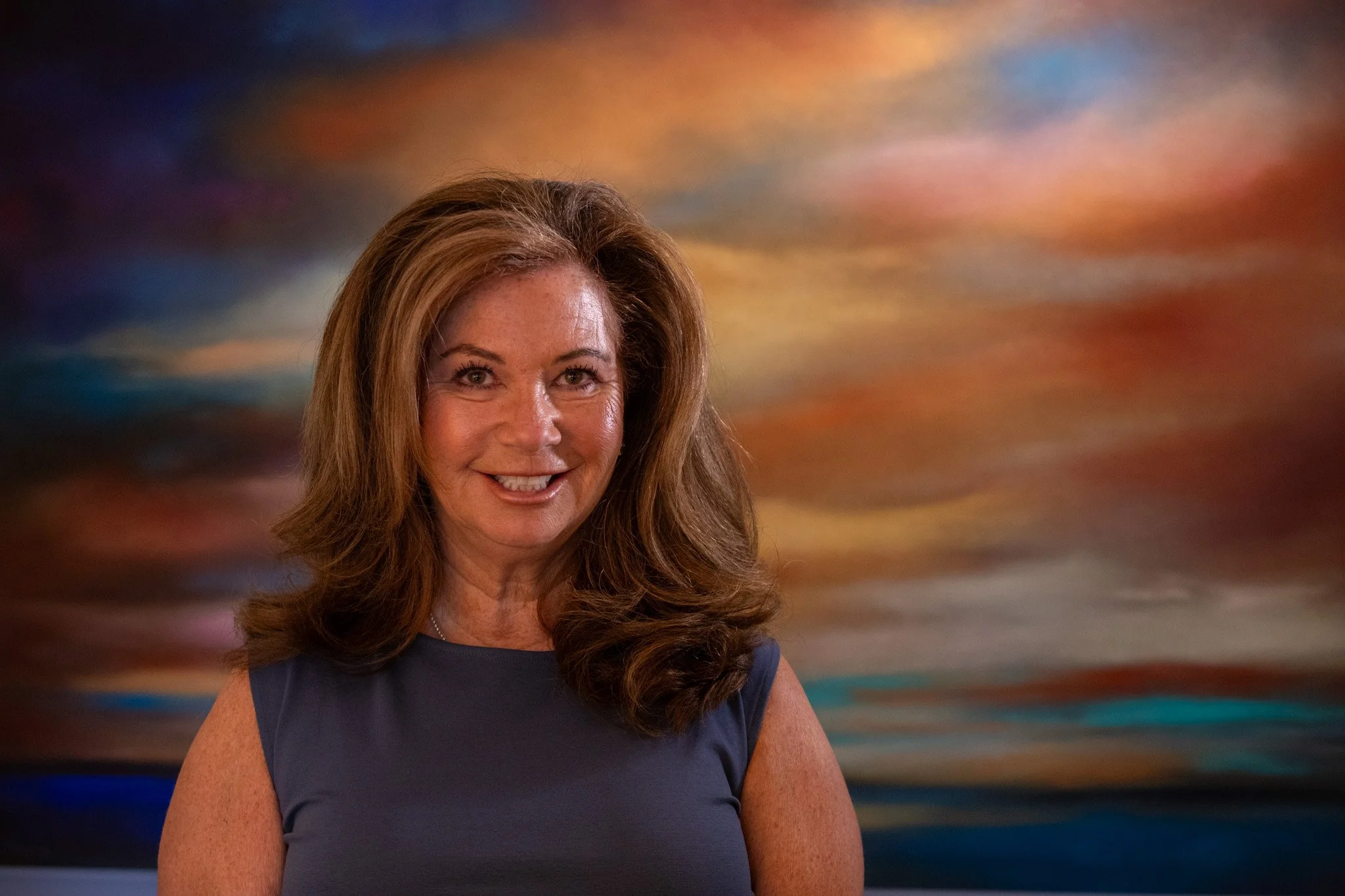
What’s one thing that people are often surprised to learn about you?
As a little girl, my favorite game was playing school, and I loved making lesson plans for my imaginary students. That teacher never really left. Today I teach attorneys and clinicians about coercive control, and I still get a thrill from building a lesson that makes a complicated pattern suddenly click.
Do you have a personal story or experience that helps you connect with clients on a deeper level?
Yes. I know the pull of love addiction from the inside, and I know what recovery from it asks of a person. That lived experience is part of why I wrote Undertow. When a client tells me they know a relationship is hurting them but can’t stop reaching for it, I don’t hear weakness. I hear the undertow, and I know there is a way out of the water.
What’s your favorite way to reset after a long day?
I head to the kitchen. Food is love in my house, and cooking for the people closest to me is how I come back to myself. On weekends you’ll find me at a farmers market, ideally going home with an armful of peonies, and nothing restores me faster than time near the water.
If you could describe your work in three words, what would they be?
Clarity. Voice. Connection.
What does “fresh start” mean to you personally?
For me, a fresh start is the moment you realize you can rely on yourself. I’ve learned that through traveling on my own, negotiating my own mortgage, starting my consulting practice and publishing my first book. Each of those moments taught me that self trust is built one decision at a time, and that’s the fresh start I want for every person I work with.
Please note that the blogpost above does not represent the thoughts or opinions of Fresh Start Registry and solely represents the original author’s perspective.